
Key takeaways
- The dry season runs May to October and offers the clearest skies and most reliable trekking conditions.
- May and September are shoulder-season sweet spots: dry weather with thinner crowds than the July and August peak.
- Machu Picchu caps daily entries and raises the limit for high-season dates, so popular days sell out and early booking is essential.
- The classic Inca Trail closes every February for maintenance, so plan treks for any other month.
- Inca Trail permits are strictly limited each day and include guides and porters, so book several months ahead for peak dates.
The best time to visit Machu Picchu is the dry season, from May to October, when clear skies make the ruins and surrounding peaks visible for most of the day. If you also want thinner crowds, aim for May, early June, or September, the shoulder months that bracket the busy July to August peak.
Peru has two seasons that matter here: dry (roughly May to October) and wet (November to March). Both have real trade-offs for weather, crowds, photos, and trekking. This month-by-month guide walks through each one so you can match your trip to what you care about most.
Dry Season vs Rainy Season: The Core Trade-off
The dry season (May to October) gives you the reliable weather most travelers picture, while the rainy season (November to March) brings greener landscapes, lower prices, and far fewer people. Machu Picchu welcomed 1,542,350 visitors in 2025, up 2.3% from the year before, and the vast majority arrived in those dry months (RoadGenius, citing Peru's Ministry of Culture, 2025).
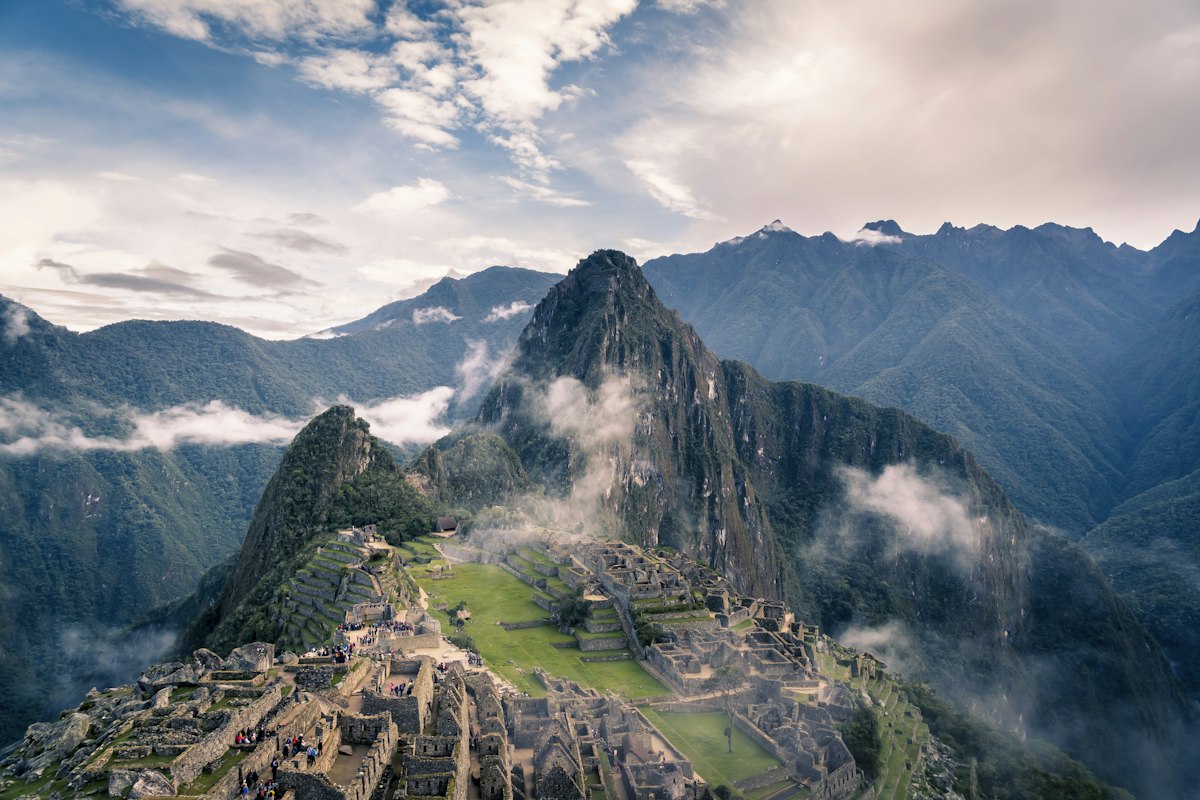
In the dry season you get long stretches of sunshine, cool nights, and crisp mountain views. Mornings can still be misty, which many photographers prize, but the mist usually burns off. Trails stay firm and safe.
The rainy season is warmer and lush. Afternoon downpours are common, cloud can hide the peaks, and some trails get slick. The upside is a quieter citadel and a countryside at its greenest. January and February are the wettest months in the region.
How Crowded Is Machu Picchu Across the Calendar?
Crowds peak from June through August and thin out sharply once the rains arrive in November. To protect the site, the Ministry of Culture caps daily entries and raises that limit for designated high-season dates. Even at the cap, the experience in July feels markedly busier than in May.
Here is the rough rhythm of the year:
- Peak (June to August): Dry, sunny, and crowded. Dates sell out well ahead.
- Shoulder (May, September, October): Still dry, noticeably calmer.
- Low (November to March): Rainy and green, with the fewest visitors of the year.
Because high-season days carry a higher cap and still fill up, booking early is not optional for a July or August trip. Our step-by-step Machu Picchu tour booking guide walks through securing the right ticket type before dates run out.
What Is the Weather Like at Machu Picchu and on the Treks?
Machu Picchu sits in a cloud forest, so it is wetter than nearby Cusco and can surprise you in any month. In the dry season, expect warm, sunny days and cold nights, with occasional morning fog. In the wet season, expect humidity, mud, and short but heavy afternoon rain.
The treks amplify these patterns. On high passes the Salkantay and Inca Trail routes get cold after dark year-round, and wet-season mud makes steep sections harder. Dry-season days are more predictable but the nights at altitude are colder. Pack layers and a proper rain shell whatever the month, because mountain weather shifts fast.
Altitude matters as much as rain. Cusco sits around 3,400 meters, higher than Machu Picchu itself, so spend a day or two acclimatizing before any hike. That advice holds in every season.
When Are the Shoulder-Season Sweet Spots?
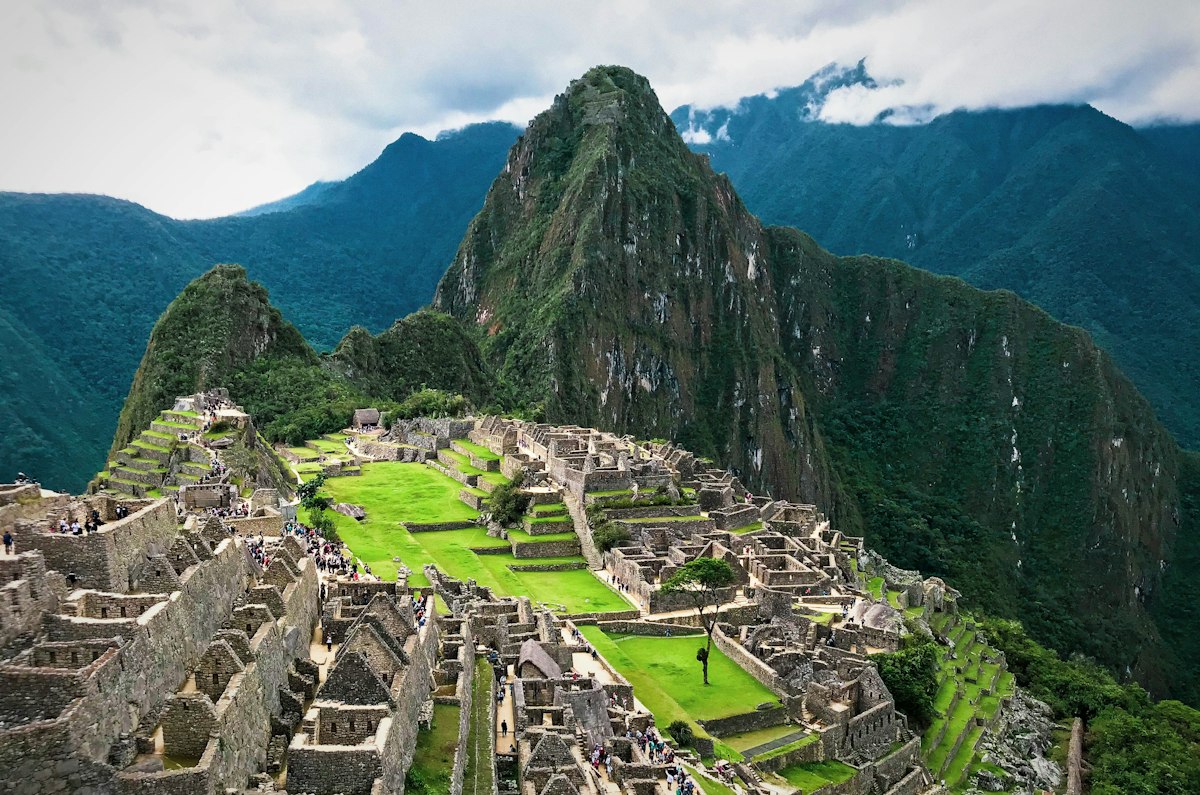
The smartest window for most travelers is May, early June, or September, when you get dry-season weather without the heaviest crowds. These shoulder weeks sit just outside the July to August rush, so trails, trains, and viewpoints feel calmer while skies stay clear.
May is a standout. The land is still green from the recent rains, waterfalls run full, and the weather has usually settled into reliable sunshine. September offers the reverse appeal: landscapes are drier, but crowds ease once the northern-hemisphere summer holidays end.
If you are planning a day trip beyond the citadel, these same months suit high-altitude excursions such as Rainbow Mountain, where clear shoulder-season skies make the vivid ridge worth the early start.
How Do Seasons Affect Inca Trail Availability?
Seasons decide whether the classic Inca Trail is even open. The route closes for the entire month of February every year for maintenance and cleaning by the Ministry of Culture, reopening on March 1. For the rest of the year, access is strictly limited: only a few hundred permits are issued per day, and that total includes guides and porters, not just hikers.
That quota is the single biggest planning constraint. Peak-season permits for June through August often sell out months in advance, so a firm date and an early booking matter far more than for a train-based visit.
If February is your only travel window, or permits are gone, alternative treks stay open. The Salkantay route is the most popular substitute and runs all year, weather permitting. Choosing a reliable guide is key, and our advice on picking a Salkantay trek tour operator covers what to check before you commit.
At Discover Inca Planet, our Cusco-based team handles permit timing, acclimatization days, and backup routes, so your trek lines up with the season instead of fighting it.
Best Time to Visit Machu Picchu: Month-by-Month Summary
- January to March: Wettest months, greenest views, smallest crowds. Inca Trail closed in February.
- April: Transition month. Rain eases, crowds light, landscapes still lush.
- May: Dry weather arrives, scenery stays green. One of the best all-round months.
- June to August: Peak dry season. Clearest skies, coldest nights, biggest crowds.
- September to October: Shoulder season. Dry and calmer as peak crowds fade.
- November to December: Rains return, prices and crowds drop again.
Pick your month by your priority. Want guaranteed-feeling weather and don't mind company? Go in June or July. Want dry skies with breathing room? Choose May or September. Want solitude and don't mind rain? The wet season rewards you with an almost private citadel.
The most reliable next step is to lock your target month now, then secure entry tickets and any trek permits early, especially for the dry season. Start with your preferred dates and let a Cusco-based operator confirm availability before the best windows fill.
Frequently asked questions
What is the overall best time to visit Machu Picchu?
The dry season from May to October is best for clear views and dependable weather. For fewer crowds with similar conditions, target May, early June, or September.
Is Machu Picchu open during the rainy season?
Yes. The citadel stays open year-round. Only the classic Inca Trail closes, and that is for the whole of February. You can still reach Machu Picchu by train in February.
Which month is the least crowded?
The wet-season months of November through March see the lightest visitor numbers. Among dry months, May and September are the quietest before and after the July to August peak.
Do I need to book Machu Picchu tickets in advance?
Yes. Daily entry is capped, and high-season days sell out. Booking two to three months ahead is wise for June through August and any Inca Trail trek.
When should I avoid Machu Picchu?
Avoid February if you want to hike the classic Inca Trail, since it closes for maintenance. Avoid mid-July to mid-August if your priority is low crowds.


2 Responses