
Key takeaways
- A reliable Salkantay trek tour operator shows a registered Cusco office, licensed guides, clear itineraries, and transparent pricing before you pay.
- The classic route runs 5 days and 4 nights, crossing a pass near 4,600 metres before descending to Machu Picchu.
- Unlike the Inca Trail, which runs on a strict daily permit quota, the Salkantay route needs no trekking permit, so it rarely sells out.
- Local Cusco-based operators like Discover Inca Planet control the logistics directly, while resellers add a markup and pass problems down the chain.
Choose a Salkantay trek tour operator by checking three things before you pay: a registered office in Cusco, licensed mountain guides, and a written day-by-day itinerary with clear inclusions. A good Salkantay trek tour operator will answer specific logistics questions without dodging, and the price will match what is actually provided on the mountain. This guide walks through what a reliable operator delivers, the full 5-day route, the red flags that signal trouble, and why booking local beats going through a reseller.
What a Reliable Salkantay Trek Tour Operator Provides
A trustworthy operator covers safety, logistics, and transparency as a baseline. Cusco sits at 3,399 metres above sea level (Fertur Travel, 2026), so altitude management matters from day one. The operator should explain acclimatization, carry emergency oxygen, and run itineraries that build elevation gradually rather than rushing you over high passes on the first morning.
Beyond safety, look for concrete deliverables. These separate a real trekking company from a booking page:
- Licensed, Spanish and English-speaking guides with wilderness first-aid training
- A written itinerary listing daily distances, camps, and meals
- Quality gear: insulated sleeping bags, dining tents, and clean cooking setups
- Horse or mule support for group equipment
- A clear list of what the price includes and what it does not
The strongest operators also publish honest difficulty ratings. The trek is rewarding, but the pass is demanding, and a company that undersells the effort is setting trekkers up to struggle.
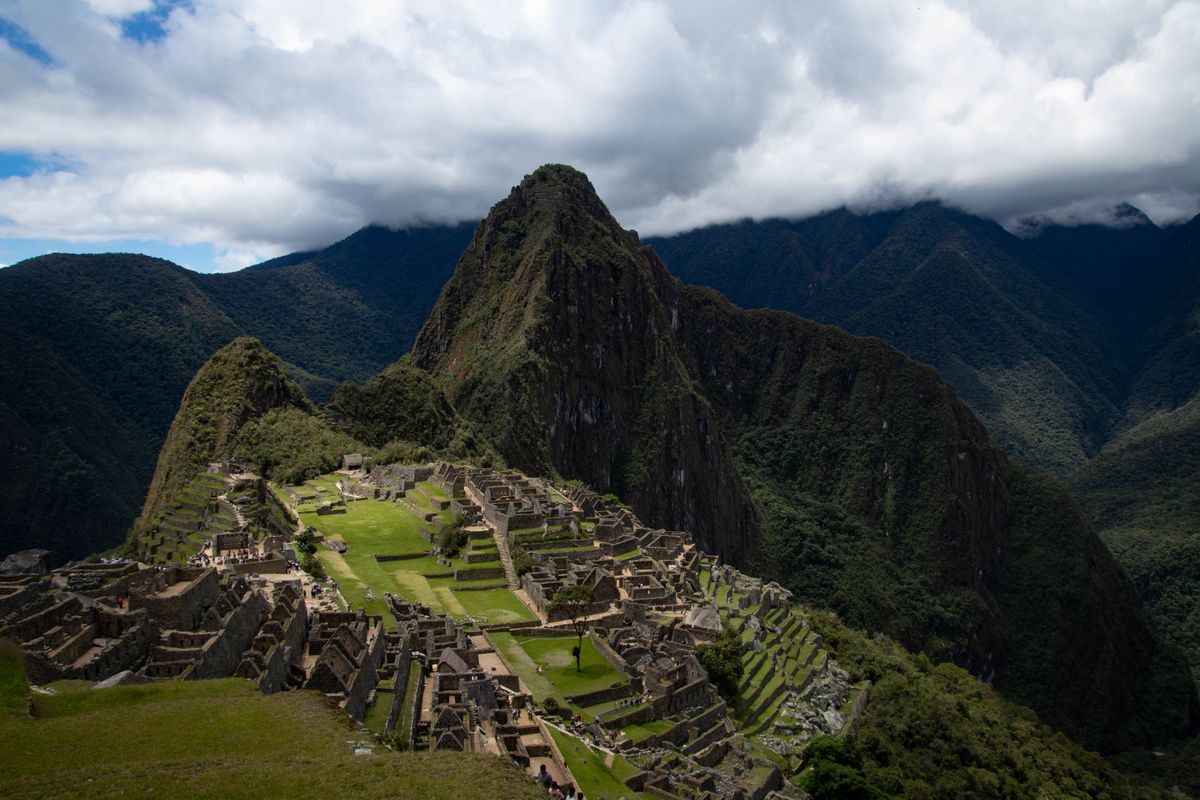
The 5-Day Salkantay Route Explained Day by Day
The classic Salkantay trek runs 5 days and 4 nights, and the itinerary is remarkably consistent across reputable operators. The route climbs from farmland near Mollepata to a high pass close to 4,600 metres, then descends through cloud forest toward Machu Picchu. Mount Salkantay itself rises to 6,271 metres, or 20,574 feet, the highest peak in the Vilcabamba range (Wikipedia). You hike beneath it; you do not climb it.
Day 1: Cusco to Soraypampa and Humantay Lake
An early transfer takes you to the trailhead, then a gradual climb to the Soraypampa camp. Many groups add an afternoon hike to the turquoise Humantay Lake, a short but steep acclimatization walk.
Day 2: Salkantay Pass and the Long Descent
This is the hardest and most spectacular day. You climb to the Salkantay Pass, the highest point of the trek, with the glaciated peak looming above. The afternoon is a long descent into warmer, greener terrain.
Day 3: Cloud Forest to Jungle
The landscape shifts quickly. You walk through cloud forest past coffee plantations and fruit trees, with a noticeable rise in temperature and humidity as you lose altitude.
Day 4: Toward Aguas Calientes
The day often mixes walking with a stop near Santa Teresa, and ends in the town of Aguas Calientes below Machu Picchu. Some itineraries include a visit to hot springs.
Day 5: Machu Picchu
An early start gets you to the citadel for a guided tour before the heaviest crowds arrive. You return to Cusco by train and transfer the same day.
For the final leg, the entrance and train process has its own steps, which we cover in our guide to booking a Machu Picchu tour.
Red Flags to Avoid When Booking a Trek in Cusco
The clearest warning sign is a price that looks too good. Running a safe five-day trek has fixed costs: guides, cooks, pack animals, food, camping gear, transport, and the Machu Picchu entrance ticket. When an operator quotes far below the market, something is being cut, and it is usually safety, food quality, or guide wages.
Watch for these specific red flags:
- No physical office or tourism registration. Legitimate Peruvian operators hold a DIRCETUR registration. A company with no verifiable Cusco address is a gamble.
- Vague itineraries. If the operator cannot tell you the camps, daily distances, or group size, they may be reselling someone else's trek.
- Pressure to pay in full through untraceable channels. A deposit is normal; demands for the entire balance by wire to a personal account are not.
- No written inclusions. You should know in advance whether the duffel transport, sleeping bag rental, and extra train upgrades are covered.
- Evasive answers about altitude and safety. An operator who brushes off acclimatization questions has not thought hard about your wellbeing.
A short exchange of questions usually reveals the truth. Ask who your guide will be, how large the group is, and what happens if someone falls ill on the pass. Clear, confident answers are a good sign.
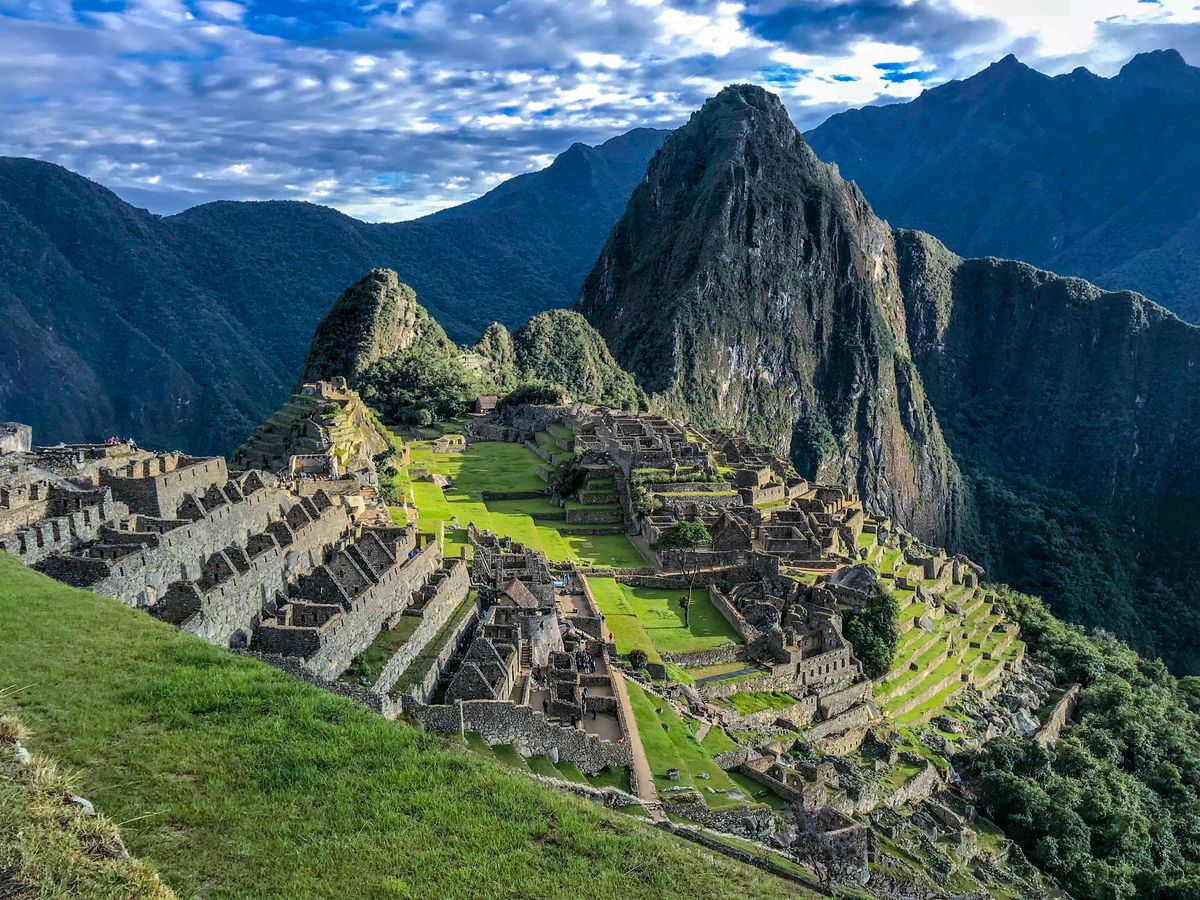
Why a Local Cusco-Based Operator Beats Resellers
A local operator controls the parts that matter, while a reseller sells you a seat on someone else's bus. When you book through an overseas agency or a large aggregator, your payment often passes through several hands before reaching the people actually running the trek. Each layer adds a markup and removes accountability.
Booking direct with a Cusco company has practical advantages. The guides are their own staff, not subcontractors hired for the week. Equipment is owned and maintained, not borrowed. If a flight is delayed or weather forces a change, a local team adjusts the plan in real time because they are on the ground in Cusco, not fielding emails from another continent.
The Salkantay route also carries a structural advantage worth understanding. The classic Inca Trail runs on a strict daily quota set by Peru's Ministry of Culture, and those permits sell out months ahead in high season. The Salkantay trek needs no such permit, so a local operator can confirm your spot on shorter notice and rarely has to turn trekkers away.
How Discover Inca Planet Runs the Salkantay Trek
Discover Inca Planet operates the 5-day Salkantay trek as a Cusco-based company, which means the people answering your questions are the same people organizing the logistics on the mountain. Our guides are licensed and local, the camping equipment is our own, and the itinerary is built around gradual acclimatization rather than a rushed schedule.
We keep pricing transparent, with a written list of inclusions covering guiding, meals, camping gear, pack-animal support, and the Machu Picchu entrance and tour on the final day. Because we run the trek directly, there is no reseller between you and the trail, and any change in weather or train timing is handled by our team in Cusco the same day it happens.
Before you book any Salkantay trek, take ten minutes to send your shortlisted operators three direct questions: Who is my guide? How large is the group? What is your plan if I get altitude sickness on the pass? Compare the answers, check each company for a real Cusco office and tourism registration, and book with the team that answers clearly and runs the trek themselves.
Frequently asked questions
Do I need a permit to hike the Salkantay trek?
No. The Salkantay route does not require a trekking permit, unlike the classic Inca Trail, which runs on a limited daily quota. You only need a Machu Picchu entrance ticket for the final day.
How many days is the Salkantay trek?
The classic Salkantay trek is 5 days and 4 nights, starting near Mollepata and ending at Machu Picchu. Shorter 4-day versions exist, but the 5-day route allows better acclimatization.
How hard is the Salkantay trek?
It is moderately strenuous. The toughest day crosses the Salkantay Pass near 4,600 metres. Spending two or three days in Cusco first, at 3,399 metres, helps your body adjust to the altitude.
How do I know a Salkantay tour operator is legitimate?
Check for a physical Cusco office, a DIRCETUR tourism registration, licensed guides, and a written itinerary. Legitimate operators answer specific questions directly and never ask for full payment through untraceable channels.


