
Key takeaways
- Machu Picchu tour booking has three moving parts that must line up: a timed entry ticket, a circuit, and a round-trip train seat.
- Entry tickets are sold only through Peru's official Ministry of Culture portal, and popular dates and mountain add-ons sell out first.
- Book two to three months ahead for high season, and earlier if you want Huayna Picchu or a specific morning slot.
- A Cusco-based operator like Discover Inca Planet can secure tickets, trains, and transfers as one package so the dates actually match.
Machu Picchu tour booking comes down to lining up three separate reservations that all have to match the same date: a timed entry ticket, a circuit assigned to that ticket, and a round-trip train seat. Get those three in sync and the rest of the trip falls into place. This guide walks through each step in order, explains the ticket and circuit system, tells you when to book, and helps you decide between a group tour, a private tour, or a custom package.
The citadel has strict daily limits and timed entries, so the date you want is not always available on short notice. Reading this before you commit to flights will save you from the most common booking mistake: arranging the trip around a date you cannot actually get into the site.
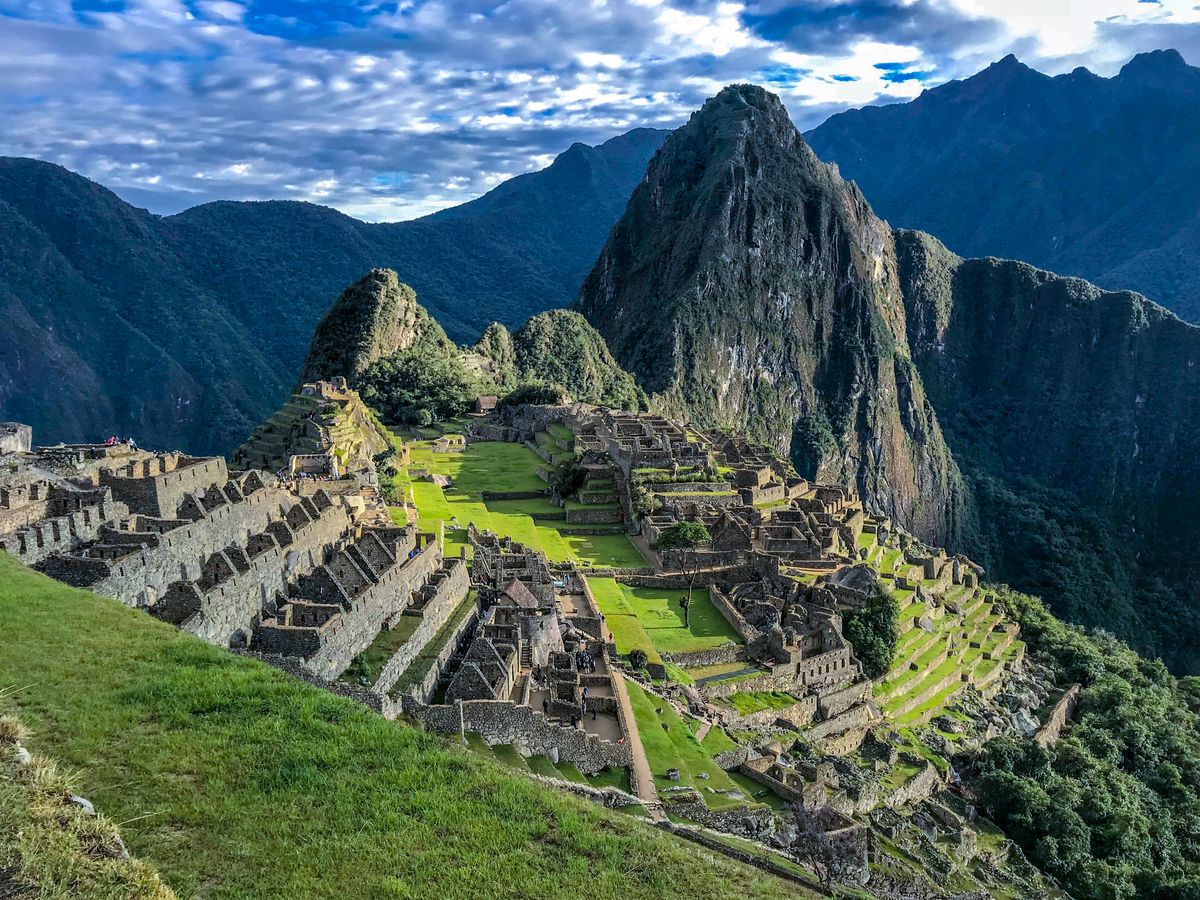
How Does Machu Picchu Tour Booking Work From Start to Finish?
A complete Machu Picchu tour booking is really four reservations stacked together: an entry ticket with an assigned circuit, a train to the town below the site, transport and a night in Cusco or the Sacred Valley, and a licensed guide. Each piece has its own availability, so the order you book them in matters.
Start with your fixed date. Everything else is built around the day you can actually enter the citadel. Once the date is set, the sequence usually runs like this:
- Reserve your Machu Picchu entry ticket for a specific date, time slot, and circuit.
- Book a round-trip train to Aguas Calientes, the town at the base of the mountain.
- Arrange transport from Cusco to the train station, plus any hotel nights.
- Confirm a licensed guide, which is required for several circuits.
Miss the order and you can end up with a train seat for a day you have no entry ticket, or a guide booked for a slot that sold out while you were arranging hotels. This is the single reason many travelers hand the whole sequence to one operator. A Cusco-based company such as Discover Inca Planet books the ticket, train, and transfers together, so the dates are locked as a set rather than pieced together across three websites.
What Are the Entry Tickets, Circuits, and Train Tickets?
Three things decide what you see and when: the entry ticket, the circuit printed on it, and the train that gets you there. They are bought separately, and each has limited capacity, so understanding them before you pay prevents the most expensive mistakes.
Entry tickets are sold only through Peru's official Ministry of Culture portal. Every ticket is tied to a date and a timed entry slot, and tickets are issued in the visitor's name. Peru shifted to a direct-sale system in late 2026, so the place you reserve has to be paid for quickly or it goes back on sale. You can confirm the current rules and buy directly through the government's official ticket portal at tuboleto.cultura.pe, which is the only authorized seller.
Circuits control your route through the ruins. Each ticket assigns one circuit and one route, and you have to follow it rather than wander freely. Some circuits reach the classic postcard viewpoint, some focus on the lower agricultural terraces, and others include a climb up Huayna Picchu or Machu Picchu Mountain. You pick the circuit at the moment of booking, and you cannot change it at the entrance gate.
Mountain climbs like Huayna Picchu have their own small daily allocation and sell out well before standard entry. If a summit hike is the reason you are going, that limited slot should drive your date, not the other way around.
Train tickets are a separate booking. Trains run from Ollantaytambo in the Sacred Valley, or from Cusco during part of the year, to Aguas Calientes below the site. Service classes range from basic to panoramic-window cars, and seats are capped per departure. You can check routes and service classes on the official PeruRail train information site. Reserve the train for the same date as your entry slot, leaving enough time to ride up, clear the gate, and climb to your circuit's start.
When Should You Book to Secure Your Preferred Date?
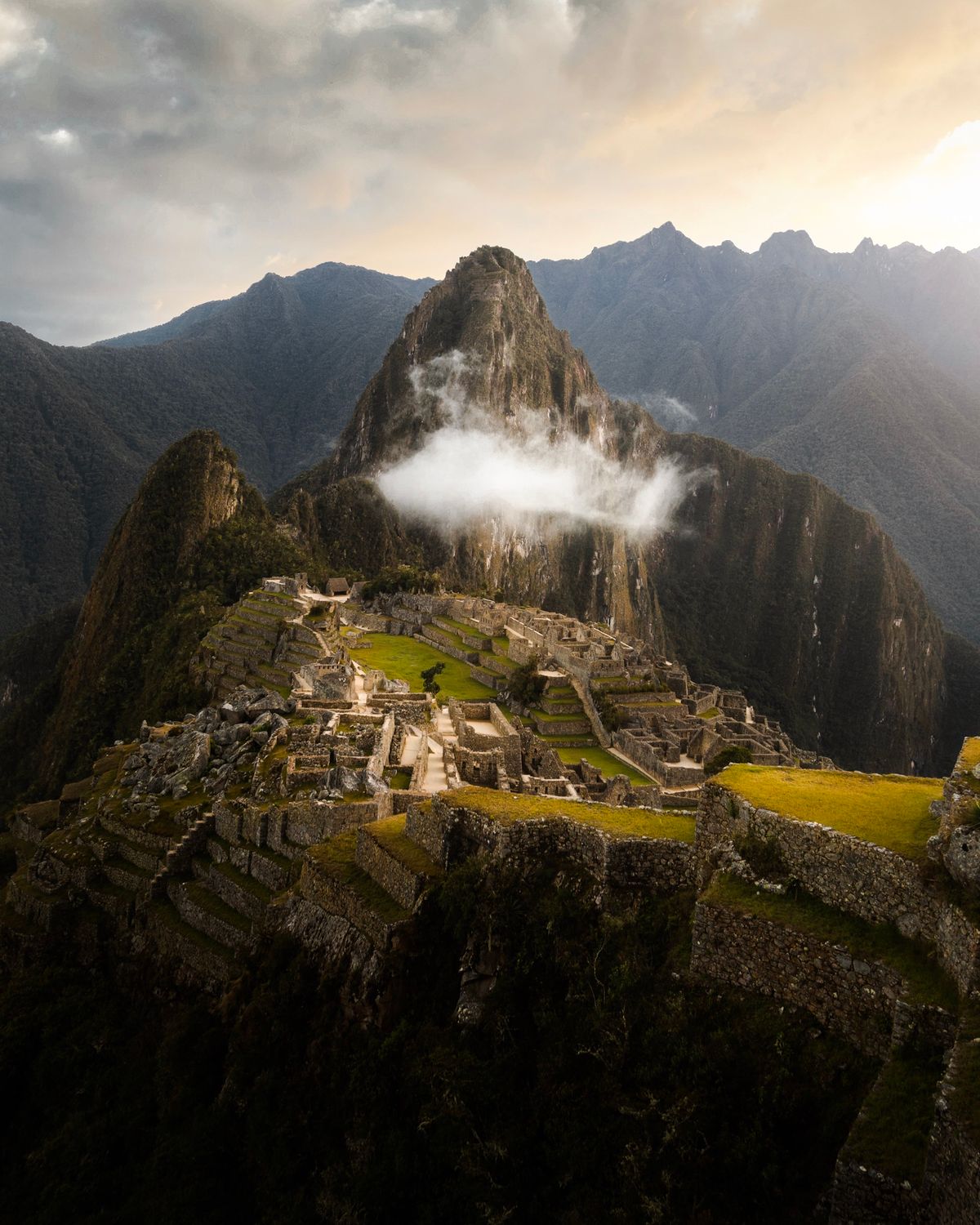
Book two to three months ahead for high season, which runs roughly from June through August plus the December holidays, and earlier still if you want a specific morning slot or a mountain hike. Daily entries are capped and timed, so the most popular combinations disappear first while shoulder dates stay open longer.
Here is a realistic sense of timing by what you are after:
- Mountain add-ons (Huayna Picchu, Machu Picchu Mountain): the tightest availability. Aim for several months out, especially in dry season.
- High-season standard entry (June to August): two to three months ahead is a safe target for a good slot.
- Shoulder and low season (roughly April to May, September to November): more flexibility, though weekends and the earliest morning slots still move.
The rainy months bring cheaper prices and thinner crowds, but heavier cloud and occasional landslide-related schedule changes on the rail line. If your travel dates are rigid because of flights, treat the entry ticket as the thing to reserve first and build everything else around it. If the dates are flexible, booking early simply widens your choice of slots.
Group Tours vs Private Tours vs Custom Packages: Which Fits You?
The right format depends on budget, group size, and how much control you want over the day. Group tours are the most affordable and social, private tours give you a dedicated guide and flexible pacing, and custom packages bundle Machu Picchu with treks or the Sacred Valley for travelers who want a full itinerary handled at once.
A quick comparison:
- Group tours. You join other travelers on a fixed schedule with a shared guide. Lowest cost per person, a set pace, and limited flexibility on timing. Good for solo travelers and anyone prioritizing price.
- Private tours. A guide dedicated to your party, your own pace, and freedom to linger at viewpoints or move quickly through sections you care less about. Higher cost, best for families, photographers, and travelers with mobility needs.
- Custom packages. A built-to-order itinerary that can combine the citadel with the Inca Trail, Salkantay trek, Sacred Valley sites, or Rainbow Mountain. Priced per trip, suited to people who want one operator to coordinate ticket, train, lodging, and guide across several days.
Because the Inca Trail uses its own separate permit system with a strict daily limit, trekkers in particular benefit from a package. The permit, the entry ticket, and the return train all have to align, and that coordination is hard to manage from abroad across different websites.
Why Book Directly With a Cusco Operator Instead of a Big Agency?
A Cusco-based operator sits inside the system you are trying to navigate, handling ticket, train, transfer, and guide from one office in the region, which usually means faster responses, local knowledge, and no layer of markup from a reseller abroad. Large international agencies often subcontract the on-the-ground work to exactly these local operators anyway.
The practical advantages come down to a few things. Local operators watch the official ticket portal daily, so they react quickly when the direct-sale window puts a place back on the market. They know which circuit reaches the view you actually want, how tight the connection is between a given train and entry slot, and what to do when a rail schedule shifts in the rainy season. They are also physically on the ground, which matters when something changes the day before.
Discover Inca Planet is a Cusco-based tour operator doing exactly this work: guided day tours, multi-day treks, and custom packages to Machu Picchu, the Sacred Valley, and beyond, with the ticket, train, and transfers booked as a coordinated set. For a destination this tightly regulated, dealing with a company that works at the source removes most of the friction that trips up first-time visitors.
It helps to remember what Machu Picchu is before you book. The site is a UNESCO World Heritage property recognized for both its Inca engineering and its mountain setting, which is part of why entry is capped and routed so carefully. You can read the official background on the UNESCO World Heritage listing for the Historic Sanctuary of Machu Picchu. Those protections are the reason planning ahead is not optional.
Your next step is simple: fix the date you can realistically enter the citadel, confirm that slot through the official portal or a trusted Cusco operator, and only then book flights and hotels around it. Lock the entry ticket first, and the rest of the trip stops being a gamble.
Frequently asked questions
How far in advance should I book a Machu Picchu tour?
Book two to three months ahead for high season, roughly June through August and the December holidays. If you want Huayna Picchu or a specific early entry slot, book even earlier, since those limited places go first.
Can I buy Machu Picchu entry tickets myself?
Yes. Entry tickets are sold only through Peru's official Ministry of Culture portal at tuboleto.cultura.pe. Many travelers still use an operator so the ticket, train, and transfer dates are coordinated into one trip.
What is the difference between the ticket circuits?
Each entry ticket assigns one circuit and route through the site. Some circuits reach the classic postcard viewpoint, others focus on the lower terraces or include a mountain climb. You choose the circuit when you book, and you cannot switch at the gate.
Do I need a separate ticket for the train?
Yes. The entry ticket and the train are booked separately. Trains run from Ollantaytambo or Cusco to Aguas Calientes, the town below the site, and seats are limited, so they should be reserved alongside your entry ticket.
Is a private Machu Picchu tour worth it over a group tour?
A private tour costs more but gives you a dedicated guide, flexible pacing, and schedule control. Group tours are cheaper and social. Custom packages sit between the two and suit travelers combining Machu Picchu with treks or the Sacred Valley.


Una respuesta