
Key takeaways
- Cusco sits at about 3,399 m (11,150 ft), above the altitude where acute mountain sickness can begin, so plan for your body to adjust before any trek.
- The CDC reports that about 25% of people who sleep above 2,450 m (8,000 ft) in Colorado develop acute mountain sickness, so mild symptoms in Cusco are common and usually manageable.
- Spend 2 to 3 nights acclimatizing in or near Cusco before high-altitude hikes, and keep your sleeping elevation rising by no more than about 500 m per day above 3,000 m.
- Hydrate, rest on arrival, and consider acetazolamide (125 mg every 12 hours) started the day before ascent if your doctor approves.
- Descend and seek medical help if you develop confusion, trouble walking straight, breathlessness at rest or a cough with frothy fluid, which can signal dangerous altitude illness.
The best way to avoid altitude sickness in Cusco is to arrive rested, take your first day slowly, drink plenty of water, and give your body 2 to 3 nights to adjust before any high trek. Cusco sits at roughly 3,399 meters (11,150 feet), high enough that many visitors feel a headache, fatigue or shortness of breath during their first day, so a calm, well-paced arrival matters more than any single remedy.
This guide walks through why Cusco's elevation affects travelers, the symptoms worth watching, a realistic acclimatization timeline, practical use of hydration, coca tea and medication, and the warning signs that mean it is time to descend or get help.
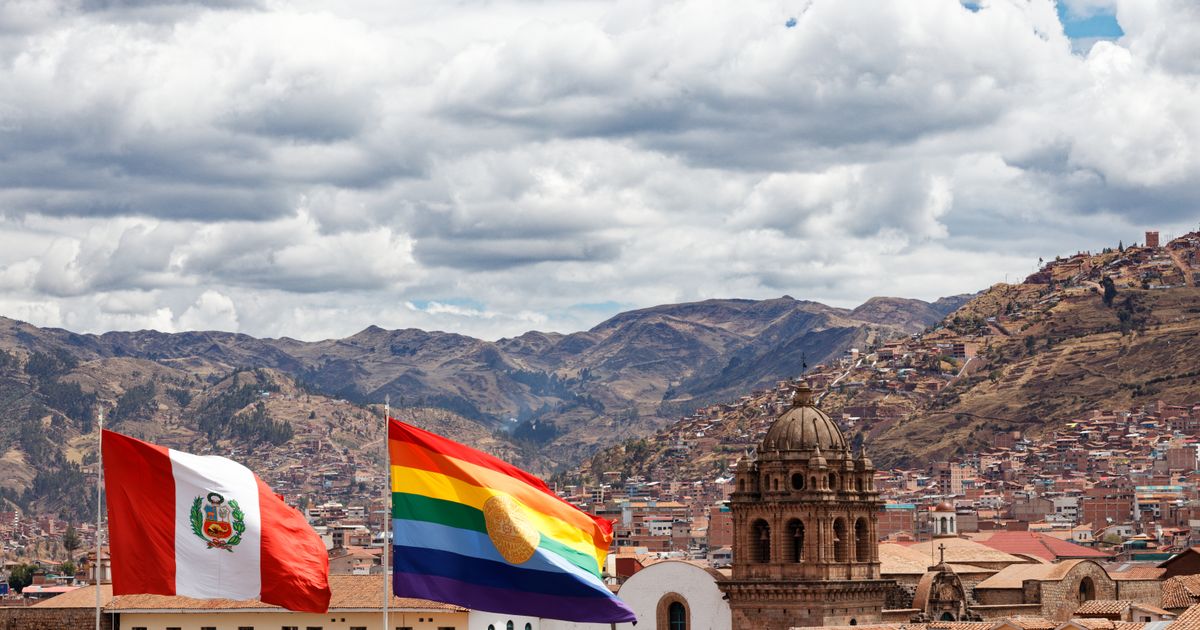
Why Altitude Sickness in Cusco Happens
At Cusco's altitude, the air holds the same percentage of oxygen as at sea level, but the air pressure is lower, so each breath delivers fewer oxygen molecules to your blood. Your body responds by breathing faster and producing more red blood cells over several days. That adjustment period is where most discomfort happens.
Altitude illness is not rare. According to the CDC, acute mountain sickness (AMS) can begin when people sleep at or above about 2,450 meters (8,000 feet), and roughly 25% of visitors who sleep above that height in Colorado develop AMS. Cusco sits well above that threshold, so feeling "off" in your first day or two is common and usually temporary rather than a sign that something is seriously wrong.
A few factors shape how hard the altitude hits you:
- How quickly you ascended. Flying straight into Cusco from sea level gives your body no warm-up.
- Your sleeping altitude, which matters more than the daytime high point you reach.
- Your individual physiology. Fitness level is a poor predictor; very fit people get AMS too.
- Exertion in the first 24 hours, which tends to make symptoms worse.
Symptoms to Watch For
Acute mountain sickness usually appears within 6 to 12 hours of arriving at altitude and feels a lot like a hangover. The most common symptoms are:
- Headache, often the first and most reliable sign
- Nausea or loss of appetite
- Fatigue or general weakness
- Dizziness or light-headedness
- Trouble sleeping
Mild AMS typically settles within a day or two as long as you do not climb higher. The important skill is telling ordinary adjustment apart from the two dangerous forms of altitude illness.
High-altitude cerebral edema (HACE) affects the brain. Warning signs include confusion, clumsiness, and trouble walking heel-to-toe in a straight line. High-altitude pulmonary edema (HAPE) affects the lungs, with breathlessness at rest, a persistent cough, chest tightness, and sometimes frothy or pink sputum. Both are medical emergencies. If you notice these, the response is descent and help, not another cup of tea.
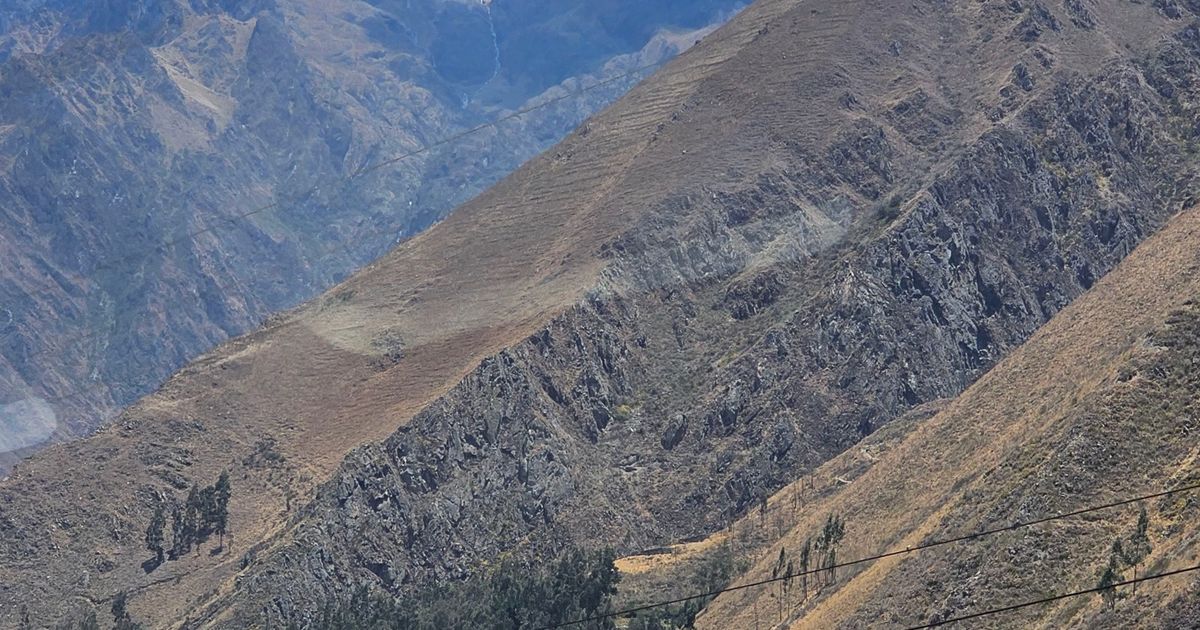
An Acclimatization Timeline Before Trekking
Acclimatization is the single most effective defense, and it follows a fairly predictable schedule. The CDC notes that useful acclimatization develops over about 3 to 5 days, and that spending 2 to 3 nights at 2,450 to 2,750 meters (8,000 to 9,000 feet) before going higher is markedly protective.
Here is a practical plan for a Cusco trip that ends in a trek:
Day 1 (arrival): Rest. Skip the big lunch, heavy exercise and alcohol. Walk slowly, nap if you need to, and drink water. Treat this day as recovery, not sightseeing.
Days 2 to 3: Ease into gentle activity. Many travelers feel better spending these nights in the Sacred Valley, which sits a few hundred meters lower than Cusco. Easy, lower-altitude excursions and markets are ideal because they keep you moving without pushing your sleeping altitude up.
Days 4 and beyond: Once you feel normal, you are far better prepared for a demanding route. For sleeping altitudes above 3,000 meters, the CDC recommends raising your sleeping elevation by no more than about 500 meters (1,650 feet) per day and adding an extra rest day for every 1,000 meters (3,300 feet) gained. Trips that climb high and sleep high quickly demand the most careful pacing.
Building these buffer days into your itinerary is one of the main reasons to plan a Peru trip with an operator who knows the terrain. At Discover Inca Planet, our multi-day treks and Sacred Valley itineraries are sequenced so you acclimatize in Cusco and the valley before tackling the highest passes, which lowers your risk and makes the hiking far more enjoyable.
Hydration, Coca Tea and Medication Options
No remedy replaces a sensible ascent, but several tools make the adjustment smoother.
Hydration and rest. Dry mountain air and faster breathing pull water out of you quickly, so aim to drink steadily through the day. Avoid alcohol for the first 24 to 48 hours, since it adds to dehydration and can mimic or mask AMS symptoms. Light meals high in carbohydrates are easier to tolerate than heavy, fatty ones.
Coca tea (mate de coca). This traditional Andean drink is offered everywhere in Cusco, from hotel lobbies to trailheads. Many travelers find it eases mild headaches and gives a gentle lift against fatigue. It is a comfort measure and a cultural staple, not a cure, so lean on it alongside rest and water rather than instead of them. Note that coca metabolites can trigger a positive drug test, which matters if you are tested for work.
Medication. Acetazolamide is the standard preventive drug and speeds up acclimatization. The CDC lists a common adult prevention dose of 125 milligrams every 12 hours, started the day before ascent and continued through the first days at altitude. It is a prescription medication with side effects such as tingling fingers and a changed taste for carbonated drinks, so talk to your doctor before your trip. Simple pain relievers like ibuprofen can help with altitude headaches. Because some travelers cannot take acetazolamide, it is worth sorting out your plan at home rather than at 3,400 meters.
If you are packing for a longer hike, build these items into your kit early. Our Peru trek packing checklist covers the medications, layers and hydration gear that make high-altitude days more comfortable.
When to Descend or Seek Help
Most altitude sickness in Cusco is mild and fades within 12 to 48 hours if you stop climbing and rest. The golden rule is simple: do not ascend further while you have symptoms, and if symptoms get worse, go down.
Descend and seek medical care right away if you notice any of these:
- Confusion, drowsiness that seems out of proportion, or difficulty thinking clearly
- Loss of coordination or an inability to walk a straight line
- Severe breathlessness that persists even while resting
- A cough that produces frothy, watery or pink fluid
- A headache that does not respond to rest, fluids and pain relievers
Even dropping a few hundred meters often brings fast relief, which is one reason the lower Sacred Valley is a useful place to recover. Cusco also has clinics and oxygen available for travelers, and reputable guides carry oxygen and know the nearest medical options on remote trails. If you are hiking with a group, tell your guide the moment you feel unwell. Early honesty about symptoms is what keeps a minor headache from turning into an emergency.
Your best next step is to build a slow start into your plans before you arrive. If you are mapping out a trip, read our Sacred Valley itinerary and schedule those gentler days first, so your body is ready when the real climbing begins.
Frequently asked questions
Is Cusco high enough to cause altitude sickness?
Yes. Cusco sits at roughly 3,399 m (11,150 ft), well above the threshold where acute mountain sickness can start. Many visitors feel mild symptoms during their first day or two.
How long should I acclimatize in Cusco before trekking?
Plan 2 to 3 nights in Cusco or the slightly lower Sacred Valley before any demanding high-altitude trek. This gives your body time to begin adjusting and sharply lowers your risk.
Does coca tea really help with altitude sickness?
Coca tea is a traditional Andean remedy that many travelers find eases mild headaches and fatigue. It is not a substitute for proper acclimatization, rest and hydration.
What medication prevents altitude sickness?
Acetazolamide is the standard preventive medication. The CDC lists a common adult dose of 125 mg every 12 hours, started the day before ascent. Ask your doctor before using it.
When should I go to a doctor for altitude sickness in Cusco?
Seek medical help if you have confusion, trouble walking in a straight line, severe breathlessness at rest, or a cough producing frothy fluid. These are signs of serious altitude illness that require descent and care.


2 Responses