
Key takeaways
- Four days is the realistic minimum for Cusco, the Sacred Valley, and Machu Picchu, with seven days the comfortable sweet spot for most travelers.
- The CDC recommends 2 to 3 nights acclimatizing around 2,450 to 2,750 m before sleeping higher, which is exactly why starting in the Sacred Valley helps.
- Spend your first night in the lower Sacred Valley rather than in Cusco city to reduce the risk of altitude sickness.
- Add 4 to 5 extra days if you want a classic trek like the Inca Trail or Salkantay on top of the core sights.
- Pace the trip with one rest buffer every few days so the altitude and early train departures do not wear you out.
Plan on at least four days for Cusco, the Sacred Valley, and Machu Picchu, and seven if you want to enjoy them instead of racing between them. The honest answer to how many days in Cusco depends on one thing most itineraries underplan for: altitude. Cusco sits high in the Andes, and your body needs time to adjust before you tackle long days of walking and early train departures.
This guide breaks down the minimum you need to stay safe, three sample itineraries at 4, 7, and 10 days, how to balance the city against the valley and Machu Picchu, and how to fit a trek in without burning out.
Why Acclimatizing Sets the Minimum Days in Cusco
Acclimatizing is the real constraint on how many days in Cusco you should plan. The CDC advises acclimatizing for a minimum of 2 to 3 nights at around 2,450 to 2,750 m (8,000 to 9,000 ft) before proceeding to a higher altitude, which it describes as markedly protective (CDC Yellow Book 2026, 2026). Cusco city sits higher than that range, so arriving and immediately sleeping there raises your risk.
The CDC also notes that the acute adjustment happens over the first 3 to 5 days after you ascend. That timing is why a rushed two-day trip so often goes wrong: travelers feel the headache and nausea of altitude on the exact days they planned to hike.
The practical takeaway is simple. Sleep lower first. The Sacred Valley towns sit below Cusco city, which puts them closer to the CDC's recommended acclimatization band. Starting there, then moving up to Cusco, follows the guidance almost by accident. For a fuller plan on symptoms, hydration, and coca tea, see our guide on how to avoid altitude sickness in Cusco.
Sample 4, 7, and 10-Day Itineraries
Most travelers fit one of three trip lengths, and each has a natural shape. Because the CDC recommends keeping sleeping-altitude increases modest above 3,000 m, these itineraries all front-load lower ground and leave the highest, hardest days for later (CDC Yellow Book 2026).
The 4-Day Trip (Core Highlights)
This is the lean version that still respects altitude.
- Day 1: Arrive, transfer straight to the Sacred Valley, rest, and sleep low.
- Day 2: Explore the valley. Pisac or Ollantaytambo ruins, light walking only.
- Day 3: Train to Aguas Calientes, visit Machu Picchu, return.
- Day 4: Cusco city center, then depart.
The 7-Day Trip (The Sweet Spot)
Seven days is where most people feel the pace is right.
- Days 1 to 2: Sacred Valley, two unhurried days of ruins and markets.
- Day 3: Maras salt pans and the Moray terraces, a gentle day.
- Day 4: Machu Picchu.
- Day 5: Rest buffer or a short half-day trip.
- Days 6 to 7: Cusco city, San Blas, museums, and departure.
The 10-Day Trip (Room to Breathe or Trek)
Ten days lets you add depth, a second region, or a short trek.
- Days 1 to 3: Sacred Valley at a relaxed pace.
- Day 4: Machu Picchu.
- Day 5: Rest and Cusco city.
- Days 6 to 9: A trek such as Lares or a trip toward Rainbow Mountain and Ausangate.
- Day 10: Final rest and departure.
Balancing City, Valley, and Machu Picchu
The common mistake is spending too long in Cusco city upfront, which is both the highest base and the hardest on a fresh arrival. A better split gives the Sacred Valley your first days, Machu Picchu the middle, and Cusco city the end once you are fully acclimatized and can enjoy its late nights and steep streets.
The Sacred Valley earns two days on its own. Ollantaytambo anchors one end with its fortress and train station, while Pisac pairs hilltop ruins with a famous market. Add the Maras salt pans and Moray, and you have filled two gentle, scenic days that double as altitude preparation.
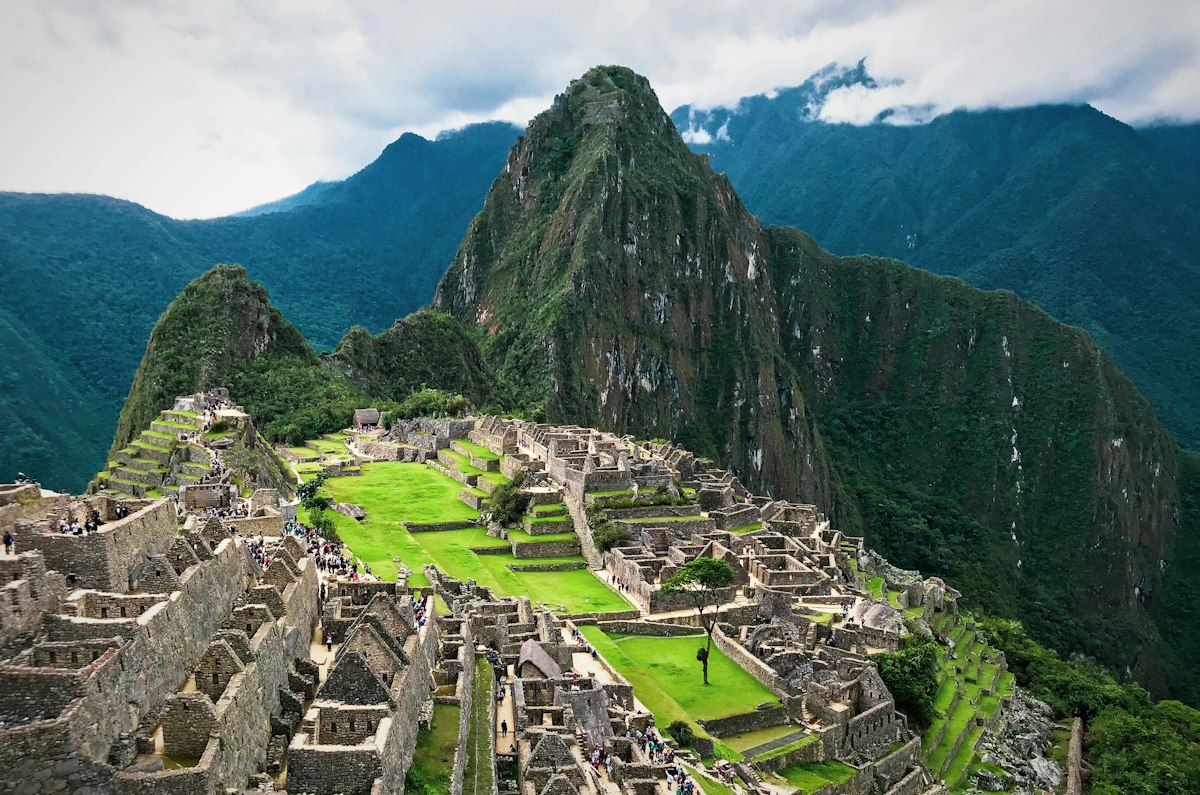
Machu Picchu itself needs only one day for most travelers, but it eats a full one. Expect an early train, a shuttle up, and several hours on site. Book the entry circuit and train well ahead, since daily access is managed and popular slots fill well before arrival.
Discover Inca Planet builds these day tours and valley transfers into single packages, so your acclimatization order and train timing line up without you juggling separate bookings.
Adding a Trek to Your Trip
A trek is the single biggest add-on to how many days in Cusco you need, and it usually means 4 to 5 more. The classic Inca Trail runs about four days and requires a licensed operator and a permit that must be reserved early, since daily permits are capped and sell out months ahead. Alternatives like Salkantay and Lares run similar lengths with different scenery and fewer permit headaches.
Fit the trek after your acclimatization, never on day one. By the time you have spent several nights adjusting, your body is far better prepared for sustained climbing. If you are weighing routes, our comparison of the Inca Trail versus the Salkantay Trek lays out the trade-offs in difficulty, scenery, and booking.
Shorter day hikes are a lighter option if a multi-day trek feels like too much. Humantay Lake and Rainbow Mountain both deliver dramatic scenery in a single day, though both climb high and belong later in the trip once you are adjusted.
Pacing Tips to Avoid Burnout
Burnout on a Cusco trip usually comes from the mix of altitude and very early starts. Because the acute adjustment spans the first 3 to 5 days, your energy is lowest exactly when excitement is highest (CDC Yellow Book 2026). Build in a rest buffer every few days rather than stacking big outings back to back.
A few habits keep the pace sustainable:
- Keep the first full day light. Walk, hydrate, and skip anything strenuous.
- Alternate hard days and easy days instead of running three big ones in a row.
- Treat Machu Picchu and any high-altitude day hike as separate events, not a double header.
- Leave one flexible day near the end as insurance against a slow-recovery morning.
Packing light for day trips also helps more than people expect, since you will be moving between valley lodges, Aguas Calientes, and Cusco. Layers matter most, because mornings start cold and midday sun at altitude is strong across all three elevations.
The next move is to pick your trip length, then block out the Sacred Valley for your first nights before anything else. Lock in the Machu Picchu date and, if you want a trek, reserve the permit early, and the rest of the itinerary falls into place around those two fixed points.
Frequently asked questions
How many days do you need in Cusco?
Four days is the practical minimum to see Cusco city, the Sacred Valley, and Machu Picchu without rushing. Seven days is more comfortable and leaves room for acclimatizing and a rest day.
Is 3 days enough for Cusco and Machu Picchu?
Three days is tight but possible if you skip the Sacred Valley and accept altitude risk on day one. Four or more days is safer and far less rushed.
Should I sleep in Cusco or the Sacred Valley first?
Sleep in the Sacred Valley first. It sits lower than Cusco city, and the CDC advises 2 to 3 nights at a moderate altitude before sleeping higher, which eases acclimatization.
How many days do I need to add for the Inca Trail?
The classic Inca Trail runs about four days, so budget roughly 4 to 5 extra days on top of your core Cusco and Sacred Valley time, including a buffer day.
What is the best length for a first trip to Peru's Sacred Valley?
Seven days around Cusco suits most first-time visitors. It covers the city, two days in the Sacred Valley, Machu Picchu, and a rest buffer for the altitude.


