
Key takeaways
- The classic Inca Trail is a 4-day route that ends at the Sun Gate, but it needs a government permit that sells out months ahead.
- The Salkantay Trek is longer at five days and climbs higher, with no permit cap, so you can book much closer to your travel dates.
- Choose the Inca Trail for Inca archaeology and a Sun Gate arrival; choose Salkantay for bigger mountain scenery and booking flexibility.
- Salkantay offers both camping and lodge or dome options, while the classic Inca Trail is camping only.
- Book Inca Trail permits around four to six months in advance for the June to August peak season.
Choose the Inca Trail if you want to walk an original Inca route lined with ruins and arrive at Machu Picchu through the Sun Gate, and you can book months ahead to secure a permit. Choose the Salkantay Trek if you want bigger mountain scenery, more booking flexibility, and you do not mind a longer, higher walk. That is the short version of the Inca Trail vs Salkantay decision, and the rest of this guide gives you the detail to commit with confidence.
Both routes end at the same place, the Historic Sanctuary of Machu Picchu, a UNESCO World Heritage Site. How you get there, what you see along the way, and how far ahead you need to plan are where they diverge.
Inca Trail vs Salkantay: route, scenery and difficulty compared
The classic Inca Trail is a 4-day, 3-night walk that follows original Inca stonework through cloud forest and past archaeological sites you cannot reach any other way. Its highest point is Dead Woman's Pass, known locally as Warmiwanusca, which you cross on the second day. The payoff is cultural as much as physical: ruins like Winay Wayna and the final approach through Inti Punku, the Sun Gate, with Machu Picchu laid out below.
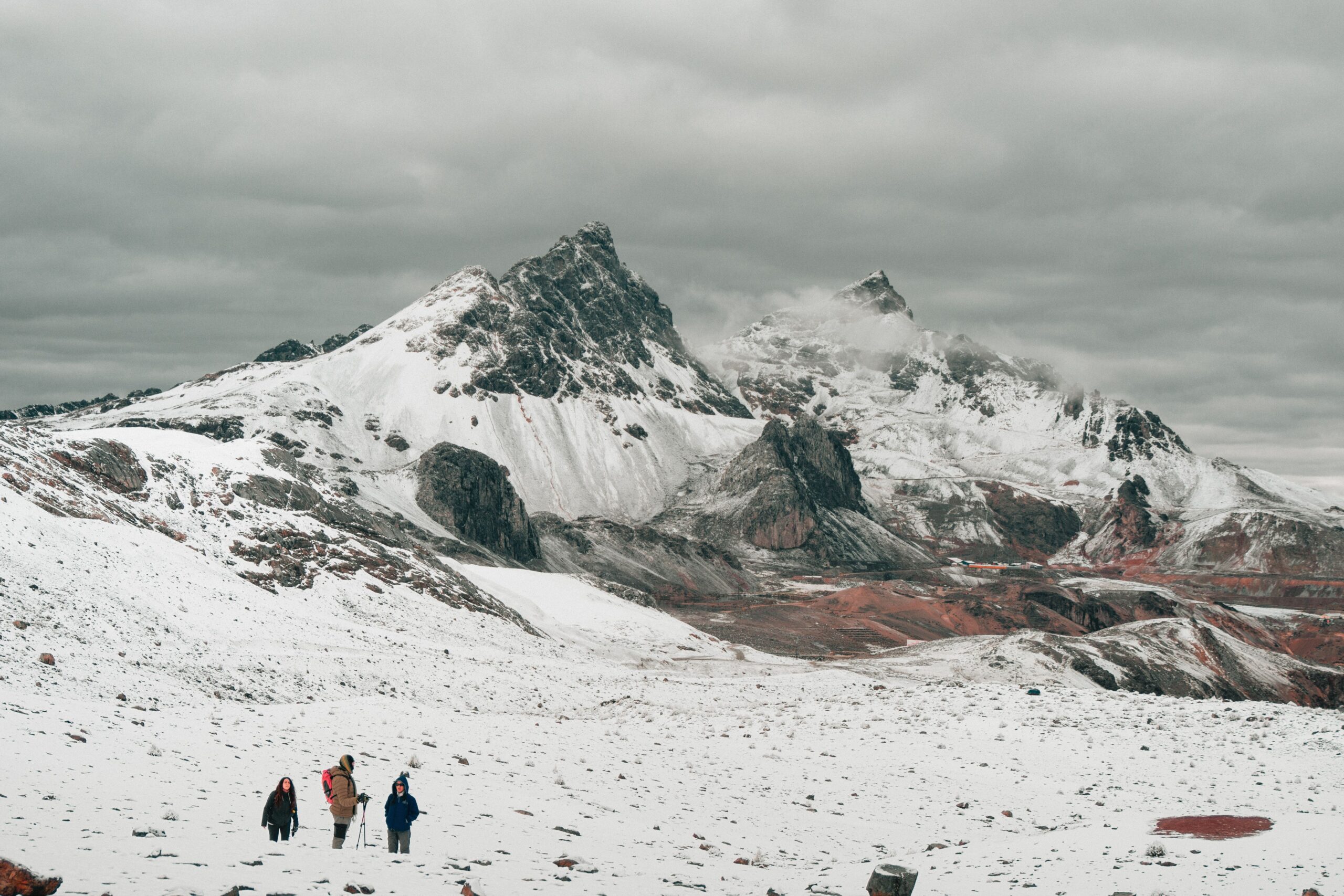
The Salkantay Trek is longer, usually five days, and it is built around raw mountain scenery rather than ruins. You hike beneath Salkantay mountain, an Andean peak that rises to 6,271 metres (20,574 feet), then descend from high alpine terrain into warm cloud forest on the way to Machu Picchu. The highest point is the Salkantay Pass, which sits higher than Dead Woman's Pass.
On difficulty, Salkantay is generally the tougher of the two. It covers more distance and climbs to a higher pass, so it asks more of your legs and your lungs. The Inca Trail is no gentle stroll either, with steep stone staircases that punish knees on the descents, but its shorter length and slightly lower high point make it the more manageable option for most hikers.
Permits and booking windows for each
This is the single biggest practical difference between the two treks.
The classic Inca Trail is strictly regulated. The Peruvian Ministry of Culture caps access at 500 spaces per day, and that figure includes guides, porters and cooks, so the number left for trekkers is much smaller. Those spots are non-transferable and tied to your passport, and for the June to August peak season they commonly sell out four to six months in advance. If your dates are fixed, you book the trek before you book much else.
The Inca Trail also closes for the entire month of February. The Ministry of Culture shuts the route each year for maintenance, upkeep and cleaning, and it reopens in March. If you are set on the classic trail, keep February off your calendar.
The Salkantay Trek has no government permit cap. That single fact changes your planning: you can book weeks rather than months ahead, you can travel in February, and you have far more freedom to lock dates late. If you are deciding between operators for the route, our guide on choosing a Salkantay trek tour operator walks through what to check before you pay a deposit.
Camping vs lodge options
How you sleep on the trail is another clear split.
The classic Inca Trail is camping only. There are no lodges along the route, so every night is spent in tents set up by your crew at designated campsites. The experience is rustic by design, and part of its appeal is waking up on an ancient trail far from any road.
The Salkantay route is more flexible. You can camp in the traditional way, but many operators also offer lodge stays or sky-dome accommodation at fixed points along the trail. That makes Salkantay the better pick if a real bed and a hot shower matter to you after a long day at altitude. Discover Inca Planet can arrange either style on the Salkantay route depending on your budget and comfort level, so you are not locked into tents if you would rather not be.
Which trek suits your fitness and time
Match the route to your schedule first, then to your fitness.
Pick the Inca Trail if:
- You have a shorter window and want a 4-day trek.
- Inca ruins and the Sun Gate arrival are the main draw.
- You can commit to dates months ahead to secure a permit.
- You want a demanding but well-paced hike rather than the longest, highest option.
Pick the Salkantay Trek if:
- You want the biggest mountain scenery and a wilder feel.
- You are booking late or your dates might shift.
- You are confident in your endurance and altitude tolerance.
- You would like the choice of a lodge or dome instead of only tents.
Altitude is the common denominator. Both treks climb well above Cusco, which already sits at roughly 3,400 metres, so spending two or three days in and around the city before you start is the smartest preparation either way. Our guide to the best time to visit Machu Picchu helps you line up the season with your fitness plan and avoid the wettest months.
Cost and crowd differences
Crowds are where Salkantay quietly wins for many travellers. Because the Inca Trail permit cap concentrates everyone onto one regulated route, campsites and the final Sun Gate approach can feel busy in high season. The Salkantay Trek spreads hikers over a longer, unregulated route, so stretches of it feel genuinely remote. Its reputation is well earned: the Salkantay Trek has been named among the 25 best treks in the world by National Geographic Adventure Travel Magazine.
On cost, the two are closer than people expect, and the final figure depends more on your operator, group size and lodging choice than on the route itself. The Inca Trail carries mandatory permit and entrance fees baked into the price, which sets a firm floor. Salkantay has no permit fee, but a longer itinerary and optional lodge upgrades can push its cost up to a similar level or higher. Treat them as roughly comparable in price, then let your priorities around scenery, flexibility and comfort break the tie.
Making your choice
If your dates are flexible and you want the fullest mountain experience, start planning the Salkantay Trek now, since you can book it closer to departure. If a Sun Gate arrival on an original Inca route is non-negotiable, check Inca Trail permit availability for your month today, because waiting is the one mistake that takes the decision out of your hands. Reach out to Discover Inca Planet with your travel dates and comfort preferences, and we will tell you honestly which of the two fits you best before you commit a cent.
Frequently asked questions
Is the Salkantay Trek harder than the Inca Trail?
In general yes. Salkantay is longer and its highest pass is higher than the Inca Trail's, so it demands more endurance and better altitude acclimatization.
Do I need a permit for the Salkantay Trek?
No. Unlike the classic Inca Trail, the Salkantay Trek does not require a government trekking permit, which is why it can be booked much closer to your travel dates.
Why does the Inca Trail close in February?
The Peruvian Ministry of Culture closes the classic Inca Trail every February for maintenance, upkeep and cleaning. The route reopens in March.
Can I do either trek without camping?
The Salkantay route offers lodge and dome accommodation options in addition to camping. The classic Inca Trail is camping only, since there are no lodges along the trail.
Which trek gives the best first view of Machu Picchu?
The Inca Trail enters through the Sun Gate (Inti Punku) for a classic overlook of the citadel. Salkantay reaches Machu Picchu via Aguas Calientes, so you visit the site the following morning.


Una respuesta