
Key takeaways
- The Inca Trail is the only route that walks you straight through the Sun Gate into Machu Picchu, and it needs a permit booked months ahead.
- Salkantay is the top pick for fit hikers who want glaciers and jungle without a permit, crossing a pass at 4,630 m.
- Lares is the shortest and most culture-focused of the four, running about 33 km over four days through living Quechua villages.
- Ausangate is the hardest, staying above 4,000 m with passes over 5,000 m, and rewards you with glacial lakes and Rainbow Mountain.
- The Inca Trail closes every February for maintenance, so plan around that if you want the classic route.
If you want one answer, the Inca Trail is still the best of the treks in Peru for most travelers because it ends by walking you through the Sun Gate into Machu Picchu. If permits are gone or you want wilder scenery, Salkantay, Lares and Ausangate each win on their own terms. This guide ranks the best treks in Peru that most people compare and shows you how to match a route to your fitness, budget and goals.
Peru packs glaciers, cloud forest, high desert and Inca ruins into a few days of walking from Cusco. The catch is that these four classic routes feel nothing alike. One is a permitted pilgrimage along original Inca stone. Another climbs past a 6,000-metre peak. Choosing well matters more than most people realize, so let us rank them and break down the trade-offs.
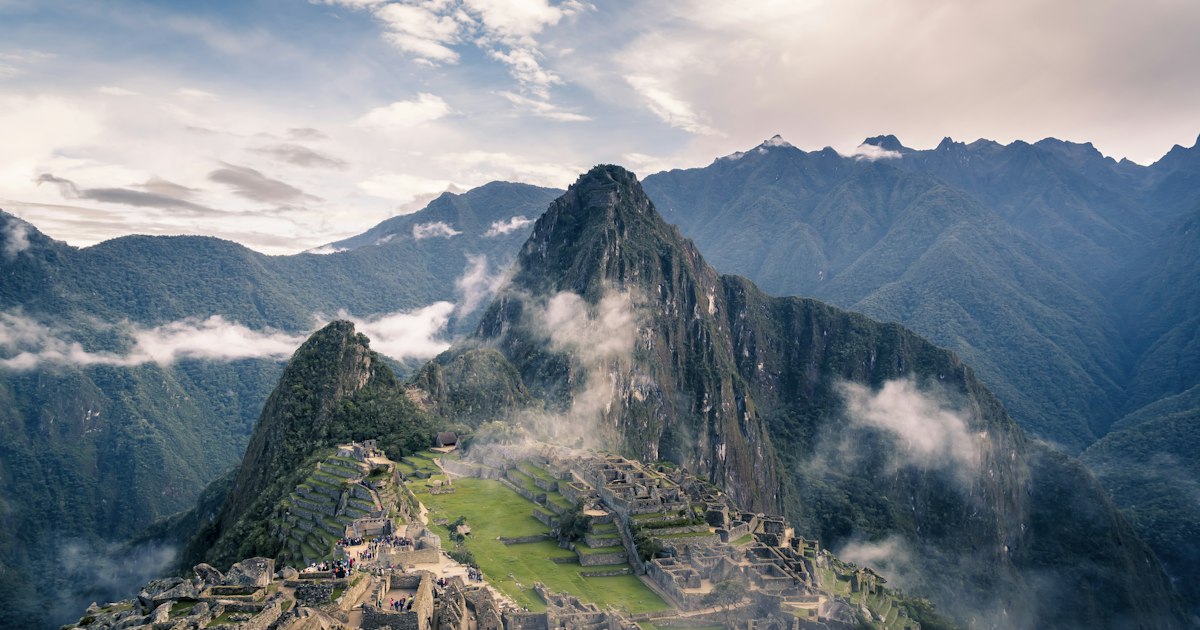
The best treks in Peru at a glance
Here is how the four routes compare on the numbers that decide most bookings. The Lares figures below come from its public reference listing; the others are widely published route specifications that vary slightly by operator and exact trailhead.
| Trek | Distance | Duration | Max altitude | Permit |
|---|---|---|---|---|
| Classic Inca Trail | ~43 km | 4 days | 4,215 m (Dead Woman's Pass) | Yes, daily cap |
| Salkantay | ~74 km | 5 days | 4,630 m (Salkantay Pass) | No |
| Ausangate | ~60 km | 5 days | 5,100 m (Palomani Pass) | No |
| Lares | ~33 km | 4 days | ~4,450 m (Ipsaycocha Pass) | No |
The Lares trek runs roughly 33 km over four days with its high point near 4,450 m at the Ipsaycocha Pass (Lares trek, Wikipedia). That makes it the shortest and lowest of the four, which shapes who it suits. Ranking is simple once you accept there is no single winner: the Inca Trail wins on history, Salkantay on raw scenery, Ausangate on wilderness, and Lares on culture.
1. Inca Trail: the classic finish through the Sun Gate
The Inca Trail ranks first because no other route delivers the same payoff: four days on original Inca paving that end at Machu Picchu's Sun Gate at sunrise. The classic version covers about 43 km and tops out at Dead Woman's Pass, roughly 4,215 m, the steepest single climb on the route.
What sets it apart is the walking surface itself. You pass restored ruins like Wiñay Wayna that most day visitors never see. The downside is access. The route runs through a protected area with a strict daily cap on how many people can start, staff included, so spots vanish months in advance. The trail also closes every February for maintenance, so build your calendar around that if the classic route is your goal.
Permits release in blocks and sell out fastest for the dry-season months. If you are set on this route for 2026, book early and lock in a date before arranging flights. For a side-by-side look at how it stacks up against its most popular alternative, our Inca Trail vs Salkantay comparison breaks down the decision in detail.
Best for: travelers who want the historic, on-foot arrival at Machu Picchu and can book far ahead.
2. Salkantay: glaciers to jungle without a permit
Salkantay ranks second and often tops lists for pure scenery. The route covers roughly 74 km over five days and crosses the Salkantay Pass at about 4,630 m, in the shadow of the glaciated Salkantay peak. From that high, cold pass the trail drops into cloud forest and near-jungle, so you walk through several climate zones in one trek.
No permit is required, which makes it the go-to backup when the Inca Trail is full. Many itineraries add the turquoise Humantay Lake near the start, a highlight in its own right that some travelers tackle as a standalone day trip before committing to the full trek.
The trade-off is effort. Salkantay is longer and higher than the Inca Trail, with a tougher pass, and it does not walk you into Machu Picchu directly. You reach the citadel on the final day by train and bus. That suits hikers who care more about mountain scenery than about ancient paving underfoot.
Best for: fit hikers who want dramatic glacier-to-jungle landscapes and permit-free flexibility.
3. Ausangate: the high, wild route
Ausangate is the most demanding and remote of the four, which is exactly why some trekkers rank it first. The circuit covers around 60 km over five days and stays high the whole time, crossing passes above 5,000 m beneath Ausangate itself, a peak above 6,300 m. You sleep at altitude for several nights, so acclimatization is not optional.
The reward is scenery you will not find on the busier routes: glacial lakes in improbable colors, grazing alpaca herds, and the mineral stripes of Rainbow Mountain, which many Ausangate itineraries now include. Crowds thin out fast once you leave the day-tripper viewpoints behind.
Because the whole route sits so high, altitude is the real challenge rather than distance. Spend at least two or three days acclimatizing in Cusco before you commit, and watch closely for signs of altitude sickness. Ausangate does not connect to Machu Picchu, so most travelers pair it with a separate citadel visit.
Best for: experienced, well-acclimatized trekkers chasing wilderness and high-alpine color.
4. Lares: the cultural trek
Lares ranks fourth on difficulty and first on culture. At roughly 33 km over four days with a high point near 4,450 m, it is the shortest and gentlest of the group, which makes it a strong pick for a first multi-day trek. Days are shorter and the passes are lower than Salkantay or Ausangate.
What you trade in raw drama you gain in human contact. The route threads through working Quechua villages where weaving, herding and farming continue much as they have for generations. It is the most likely of the four to involve real conversation with local families rather than just passing scenery.
Like Salkantay and Ausangate, Lares needs no permit, and most itineraries finish with a train to Aguas Calientes for Machu Picchu. If your priority is cultural immersion over summit passes, this is the route. Pair it with a visit to the nearby Pisac ruins and market to round out the Sacred Valley side of the trip.
Best for: travelers who value living culture and a lighter physical load.
How to match a trek to your goals
Start with one question: do you need to walk into Machu Picchu on foot? If yes, the Inca Trail is the only option, so your first task is securing a permit. If that finish is not essential, your choice opens up based on fitness, time and what you want to see.
For scenery without the permit scramble, pick Salkantay. For wilderness and high passes, choose Ausangate, but only if you have time to acclimatize. For a shorter, culture-rich walk that still ends at the citadel, Lares fits. Budget and crowd tolerance matter too: the Inca Trail and Rainbow Mountain sections of Ausangate see the most foot traffic, while Lares stays quiet.
Permits and timing drive the final call. The dry season from May to September gives the steadiest weather, and the Inca Trail's February closure rules out that month for the classic route. Whatever you choose, pack for cold nights and strong sun at altitude; our Peru trek packing checklist covers the essentials.
Ready to lock in a route? Decide first whether the Inca Trail's on-foot finish is a must, then check permit availability for your dates before anything else. Discover Inca Planet runs all four of these treks from Cusco and can tell you within a day which routes still have space for your 2026 window, so you can book the trail that actually fits your goals rather than settling for whatever is left.
Frequently asked questions
Which Peru trek is best for first-time hikers?
Lares is the gentlest of the four, with shorter days and lower passes, making it a good first multi-day trek. The classic Inca Trail is moderate and well supported, but its steep stone staircases demand steady fitness.
Do I need a permit for all Peru treks?
No. Only the classic Inca Trail requires a government permit, and the daily cap means it sells out months ahead. Salkantay, Lares and Ausangate need no trekking permit, so they book more flexibly.
Which trek actually ends at Machu Picchu on foot?
Only the classic Inca Trail walks you directly into Machu Picchu through the Sun Gate. Salkantay and Lares reach the citadel by combining the trek with a train and bus for the final leg.
When should I avoid trekking in Peru?
The dry season from May to September offers the most reliable weather. Avoid February for the Inca Trail specifically, since the route closes all month for maintenance and the rains peak across the region.
How fit do I need to be for the Ausangate trek?
Ausangate is the most demanding of the four. You spend days above 4,000 m and cross passes over 5,000 m, so strong cardiovascular fitness and several days of altitude acclimatization in Cusco are essential.


Una respuesta