
Key takeaways
- Machu Picchu entrance tickets in 2026 are organized into three circuits, each covering a different part of the citadel, so your ticket decides what you actually see.
- A standard foreign adult ticket runs around S/163, while mountain add-ons like Huayna Picchu cost more and sell out months ahead.
- Buy only from the official Ministry of Culture portal at tuboleto.cultura.pe to avoid resale markups and fake tickets.
- Daily access is capped, so peak-season and sunrise slots disappear fast; book early for July and August.
A standard foreign adult entrance ticket to Machu Picchu costs roughly S/163 in 2026, and the type you buy decides which part of the citadel you walk. There is no single "all-access" pass anymore. Instead, Peru's Ministry of Culture sells tickets by circuit and route, each with its own price, time slot, and set of viewpoints. Choosing the wrong one is the most common way visitors end up disappointed.
This guide breaks down the current Machu Picchu entrance tickets, what each circuit includes, the 2026 prices, and how to buy official tickets before they sell out. It also covers the Huayna Picchu and mountain add-ons, and the simple mistakes that can waste a ticket you paid good money for.
What Are the 2026 Ticket Categories and Circuits?
Machu Picchu tickets in 2026 are split into three numbered circuits, and your circuit controls your route through the ruins. Circuit 1 covers the upper, panoramic areas. Circuit 2 is the classic route through the central temples. Circuit 3 covers the lower, eastern sector and includes the famous peak climbs.
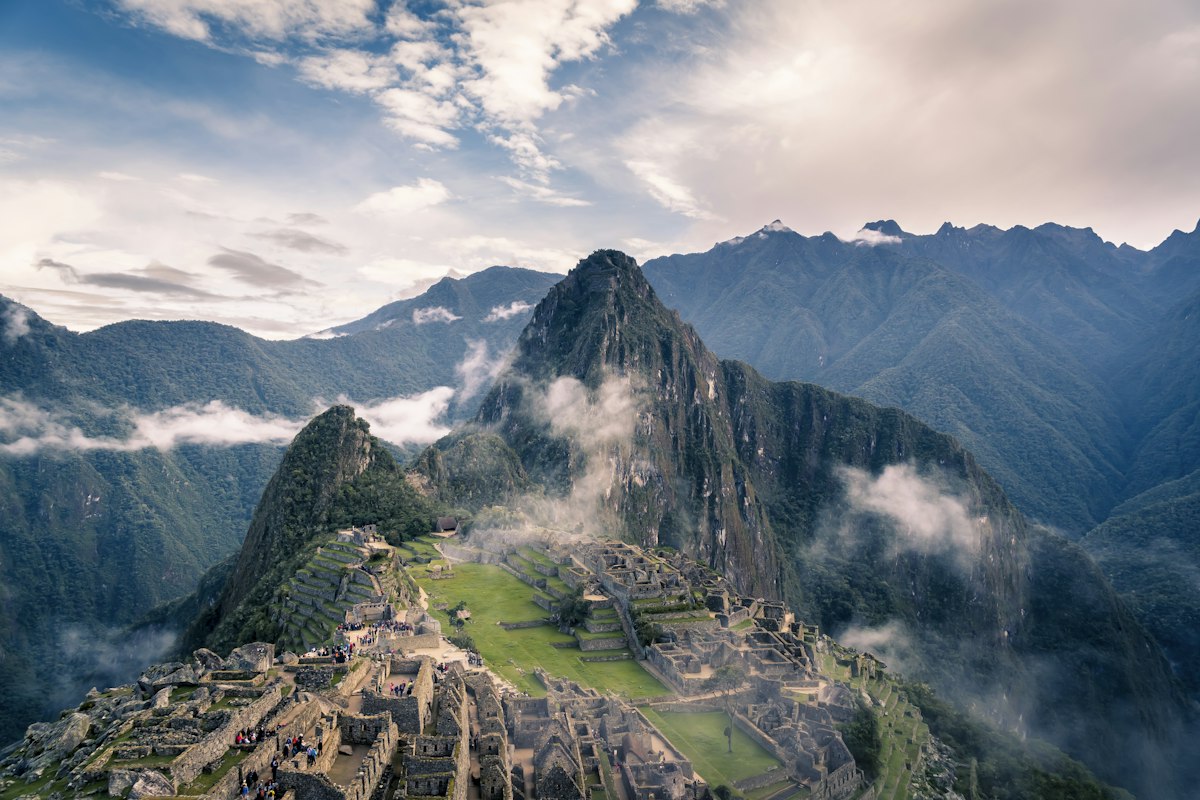
Each circuit then breaks into lettered routes. Circuit 1 includes the upper terraces and the postcard viewpoint near the Guardian's House, plus longer walks to the Sun Gate and the Inca Bridge. Circuit 2 is the one most first-time visitors want, since it passes the Temple of the Sun and the main ceremonial core. Circuit 3 holds the Temple of the Condor along with the Huayna Picchu and Huchuy Picchu climbs.
The key thing to understand: you cannot freely wander between circuits. The paths are one-directional, and staff check that you stay on the route printed on your ticket. If your goal is the classic sweeping photo of the citadel, you need a route that includes the upper viewpoint, not a lower temple loop.
For a sense of how this fits a wider trip, it helps to slot a Machu Picchu day into the right place in your itinerary rather than cramming it in on arrival.
How Much Do 2026 Machu Picchu Tickets Cost?
A standard foreign adult ticket is around S/163 (about 43 USD), while tickets that include a mountain climb cost more, in the range of S/211. These prices now include the SERNANP conservation fee introduced on 1 May 2026, which added S/11 to each ticket.
Here is the general 2026 price structure for foreign visitors:
- Standard circuit routes (Circuits 1, 2, and most of 3): around S/163 for an adult.
- Mountain routes (Huayna Picchu, Machu Picchu Mountain): around S/211 for an adult.
- Premium guided route: higher still, since a guide is built into the fare.
Students under 25 with a valid ISIC card and children aged 3 to 17 pay reduced rates, usually roughly half the adult price. Children under 3 enter free. Peruvian nationals and citizens of the Andean Community pay lower national rates, and Cusco residents get free Sunday access to the citadel.
One figure matters most for planning: capacity. The regional Ministry of Culture office confirmed a combined daily limit of 5,600 visitors across the three circuits when 2026 sales opened (Dirección Desconcentrada de Cultura de Cusco). That cap is why tickets, not travel logistics, are usually the real bottleneck.
Prices can be adjusted by the Ministry, so always confirm the exact fare on the official portal before you pay. Treat any ticket priced far above these figures as a reseller markup.
How and When Should You Buy Tickets in Advance?
Buy your tickets from the official Peru Ministry of Culture portal, which moved to tuboleto.cultura.pe in September 2026. This is the only government channel, and tickets are personalized to your passport, so the name on the ticket must match the ID you show at the gate.
Timing depends on the season. For the busy dry months of June, July, and August, standard tickets can sell out weeks ahead, and the most popular slots go faster. For the Huayna Picchu climb or a sunrise entry, four to five months of lead time is realistic in peak season. In the quieter, wetter months from November to March, you have far more flexibility, though same-day tickets are never guaranteed.
If you arrive without a ticket, two in-person options exist as backups: the Ministry of Culture office in Cusco and the cultural center office in Aguas Calientes, which releases a limited batch each afternoon. Relying on these is risky, especially in high season. Our step-by-step Machu Picchu tour booking guide walks through the full process if you would rather not juggle the portal, train, and entry slot yourself.
A few booking rules save headaches. Match your entry time to your train and bus schedule, since the climb from Aguas Calientes eats time. Download or print your ticket, because mobile signal at the site is unreliable. And double-check the circuit name before paying, not after.
Should You Add Huayna Picchu or Machu Picchu Mountain?
The two mountain add-ons reward the climb with the best views at the site, but they come with stricter rules and limited daily spots. Huayna Picchu is the steep, iconic peak behind the citadel in most photos, sold through Circuit 3. Machu Picchu Mountain is the taller, longer, less vertigo-inducing climb reached through Circuit 1.
Huayna Picchu sits at roughly 2,693 meters and is a demanding, exposed scramble with narrow Inca steps. It has fixed morning entry windows and a small daily cap, which is why it disappears months before the standard tickets do. The minimum age is 18, so it is off the table for families with younger kids.
Machu Picchu Mountain climbs higher, to about 3,082 meters, on a wider and safer trail. It takes longer overall but feels less frightening for anyone uneasy with heights. Huchuy Picchu, a shorter third peak, is an easier option when the two famous climbs are sold out.
Before committing to either, be honest about your fitness and your acclimatization. These climbs are hard at altitude, and arriving under-prepared ruins the experience. Reading our notes on how to avoid altitude sickness in Cusco first is worth the few minutes, since most climbers underestimate how much elevation slows them down.
What Mistakes Waste a Machu Picchu Ticket?
The most expensive mistake is buying the wrong circuit, then discovering your route skips the viewpoint you traveled across the world to see. Because circuits are one-directional and staff enforce them, there is no quietly switching paths once you are inside. Read exactly what each route covers before paying.
A second common error is the single-entry rule. Each ticket covers one entry on one date, one time slot, and one circuit. Step back out through the main gate, and you cannot return on the same ticket. There are no bathrooms inside the circuits, so handle that before you enter.
Other avoidable slips:
- Name mismatch. Tickets are tied to a passport number. A typo or a nickname can hold you at the gate.
- Wrong entry window. You must enter within your booked hour, not whenever you reach the top.
- No guide where one is required. Certain premium routes include a mandatory guide, and some travelers skip arranging one.
- Buying from a reseller. Markups and, worse, invalid tickets are a real risk off the official portal.
Getting these details right is the whole job. The citadel runs on a tight, capacity-controlled system in 2026, and the people who have the smoothest day are simply the ones who read their ticket carefully before they arrive. Your next step is simple: decide which circuit matches your must-see views, check the current fare on the official portal, and lock in your date as early as your plans allow.
Frequently asked questions
How much is a Machu Picchu entrance ticket in 2026?
A standard foreign adult ticket is roughly S/163 (about 43 USD), including the SERNANP conservation fee added in May 2026. Tickets with a mountain climb cost more. Students and children pay reduced rates with valid ID.
Where can I buy official Machu Picchu tickets?
Buy from the Peru Ministry of Culture portal at tuboleto.cultura.pe. Offices in Cusco and Aguas Calientes also sell tickets in person, though availability is limited. Avoid third-party resellers charging markups.
Do I need a separate ticket for Huayna Picchu?
Yes. Huayna Picchu is an add-on tied to Circuit 3, sold as a combined ticket with the citadel. It has a daily limit of a few hundred spots and fixed entry times, so it often sells out months in advance.
How far in advance should I book Machu Picchu tickets?
For July and August, book four to five months ahead, especially for Huayna Picchu or sunrise slots. In the quieter months, a few weeks is usually enough, but same-day tickets are rarely guaranteed.
Can I enter Machu Picchu more than once on one ticket?
No. Each ticket covers a single entry on a specific date, time slot, and circuit. Once you exit the main gate, you cannot re-enter on the same ticket, so plan your route before you go in.


