
Key takeaways
- Pack a three-layer clothing system because Andean trails swing from freezing dawns to strong midday sun, often in the same hour.
- Break in your boots at home and carry blister tape; new footwear is the fastest way to end a trek early.
- You carry only a light daypack with water, snacks, rain shell and medications; porters carry tents, food and group gear.
- The CDC reports altitude illness rates approaching 50% with rapid ascent above 3,400 m, so acclimatize in Cusco before you hike.
- On the Classic Inca Trail, Peruvian law caps a porter's total load at 20 kg for men and 15 kg for women.
For a Peru trek, pack a three-layer clothing system, broken-in waterproof boots, a light daypack with water and snacks, sun protection, and a small altitude and first-aid kit. Knowing what to pack for a Peru trek comes down to one reality: Andean trails cross wildly different conditions in a single day, from frozen pre-dawn starts to intense high-altitude sun by late morning.
The lists below are organized the way we pack travelers at Discover Inca Planet before they leave Cusco. Use them whether you are heading out on the Classic Inca Trail, the Salkantay, Ausangate, or a day hike to Humantay Lake.
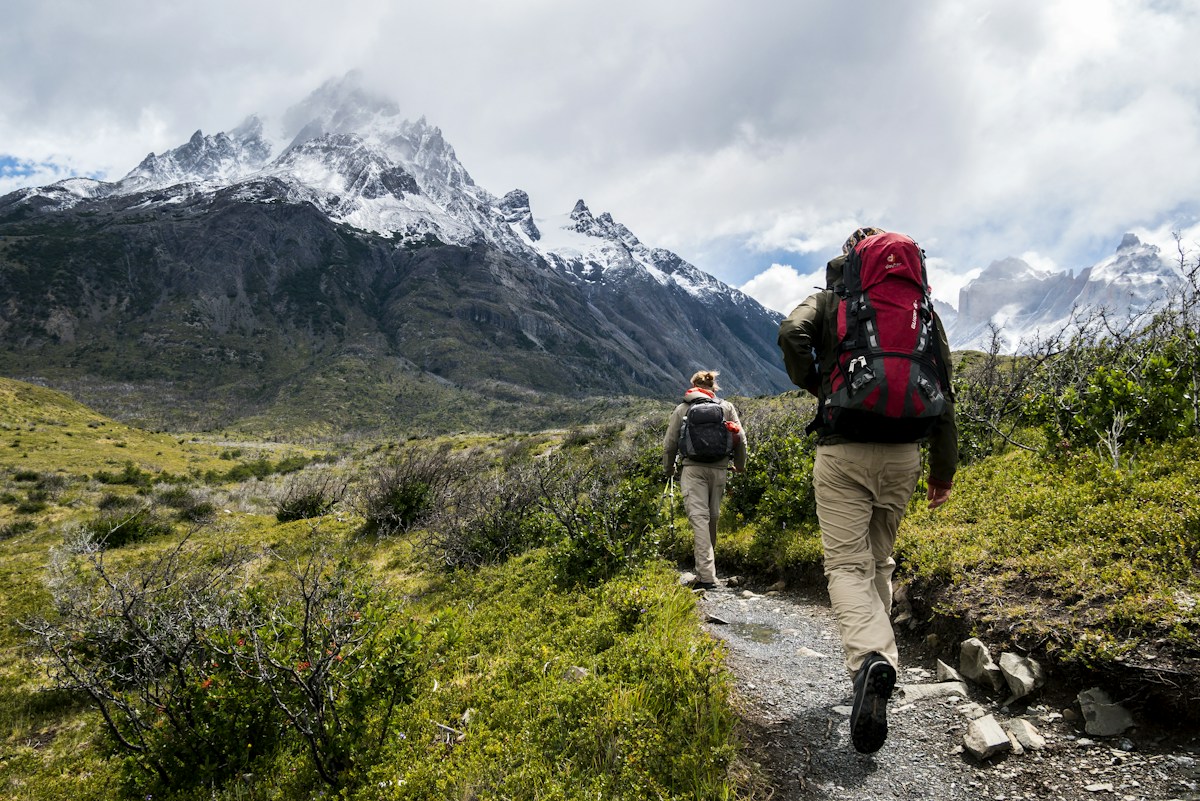
What to pack for a Peru trek: layering for Andean temperature swings
The mountains around Cusco do not have a single "weather." A trail can be near freezing at a 4 a.m. start, mild under morning sun, and cold again the moment clouds roll over a pass. One heavy jacket cannot cover that range. Three thinner layers can.
Build your system in three parts:
- Base layer: A moisture-wicking synthetic or merino wool top and bottom. Cotton holds sweat and chills you, so leave cotton shirts for the city.
- Mid layer: A fleece or light down jacket for insulation. This is the layer you add and remove most often during the day.
- Outer shell: A waterproof, breathable jacket and rain pants. Even in the dry season, afternoon showers and wind at the passes are common.
Pack for the extremes, not the average. Bring a warm hat, buff or neck gaiter, and lightweight gloves for cold starts and high camps. Nights at altitude can drop below freezing in the dry season from May to September, so a sleeping bag rated several degrees below the expected low is worth its weight.
Footwear and blister prevention
Your boots decide how your trek feels more than any other item. The stone staircases of the Inca Trail and the long descents on the Salkantay punish shoes that do not fit.
The essentials:
- Waterproof hiking boots with ankle support, broken in over several weeks of walking at home. Never start a multi-day trek in new boots.
- Proper hiking socks, two or three pairs, ideally wool or synthetic. Pack a spare dry pair for camp.
- Blister prevention: Carry blister tape or moleskin and apply it at the first hint of a hot spot, not after the blister forms.
- Camp shoes or sandals to let your feet breathe once the day's walking is done.
Trim your toenails before you leave. Long nails jam against the front of the boot on steep descents and cause bruising and lost nails, a common and avoidable trek injury. A shorter route like the Humantay Lake day trip is a good way to test your footwear before committing to a multi-day trek.
Daypack essentials and water strategy
On guided treks, you carry a light daypack while porters or mules move your main duffel. A comfortable daypack of roughly 20 to 30 liters is enough, and a target weight of 5 to 8 kg keeps you moving well at altitude.
What belongs in the daypack every day:
- Water, enough for the day's section between refill points
- High-energy snacks such as nuts, dried fruit and chocolate
- Rain shell and an extra warm layer
- Sun protection: hat, sunglasses and high-SPF sunscreen
- Personal medications and a small first-aid pouch
- Phone or camera, a power bank, and cash in small notes
- A headlamp for early starts and camp
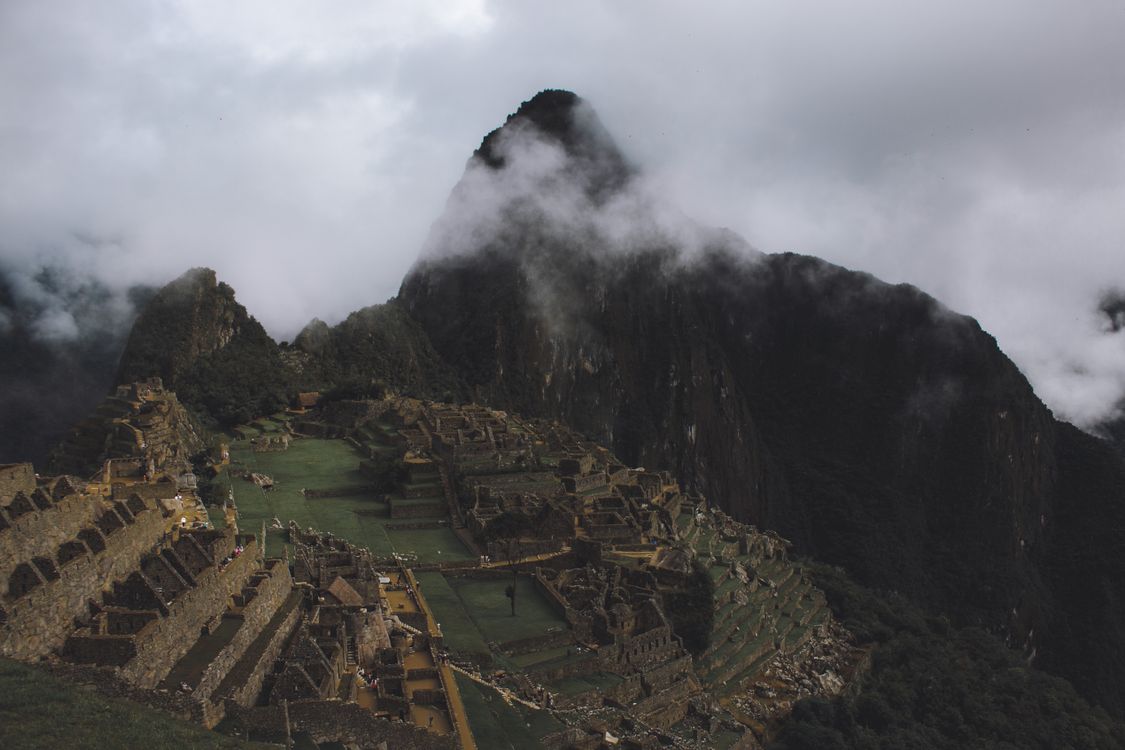
For water, carry a reusable bottle or hydration bladder of at least two liters. Guided camps provide boiled, treated water at meal stops, so you refill rather than carry everything from the start. If you are self-supported on a day hike, bring a filter or purification tablets. Drink to thirst through the day; steady sipping beats forcing down large volumes at once.
Altitude and first-aid items
Altitude, not distance, is what catches most trekkers off guard. Cusco sits around 3,400 m, and passes like Warmiwañusca on the Inca Trail climb well above that. The US Centers for Disease Control and Prevention reports that altitude illness rates approach 50% when travelers ascend rapidly above 3,400 m without acclimatizing. The same guidance recommends ascending no more than 500 m per night in sleeping altitude once above 3,000 m.
The practical takeaway is to spend two or three nights in Cusco or the Sacred Valley before you start walking. A couple of relaxed low-key days at a lower elevation than Cusco itself doubles as acclimatization before you head to the trailhead.
Pack a compact kit that covers the common problems:
- Any prescription altitude medication your doctor advises, discussed before your trip
- Pain relief and anti-nausea tablets
- Oral rehydration salts for the effects of altitude and exertion
- Blister care, antiseptic wipes and a few plasters
- Personal prescriptions, clearly labeled, in your carry-on and daypack
Coca tea and coca leaves are widely offered on the trail and can ease mild symptoms. They do not replace proper acclimatization or medical advice. Tell your guide early if you feel a headache, nausea or dizziness, because the fastest treatment for worsening altitude illness is descending.
What porters carry versus what you carry
On a guided Peru trek, you are not meant to carry everything. A support team of porters, cooks and guides handles the heavy group gear so you can focus on walking.
Porters and pack animals typically carry:
- Tents, dining tents and sleeping mats
- Cooking equipment, food and fuel
- Your main duffel with clothes and a sleeping bag, up to a set weight limit
You carry only your daypack with the day's essentials listed above. On the Classic Inca Trail, Peruvian law protects porters by capping each one's total load. The limit is set at 20 kg for men and 15 kg for women, which includes their own personal gear. When you pack your duffel, respect that limit, because an overweight bag gets turned back at the control point and strains the person carrying it.
This is also a reason to choose your operator with care. How a company treats and pays its porters is one of the clearest signals of its standards, a point we cover in our guide to choosing a Salkantay trek operator.
Pack light, acclimatize first, and confirm the details with your operator
The single best thing you can do before a Peru trek is arrive in Cusco a few days early and let your body adjust, then pack only what your daypack needs to carry each day. Everything else belongs in the duffel your porters manage.
Before you finalize your bag, confirm with your operator exactly what is provided: many include sleeping bags, trekking poles and treated water, which changes your list significantly. If you are booking with us, reach out through Discover Inca Planet and we will send a route-specific checklist so you pack for the exact conditions you will meet, not a generic list.
Frequently asked questions
How much should my daypack weigh on a Peru trek?
Aim for roughly 5 to 8 kg. You only need water, snacks, a rain shell, sun protection and personal medications during the day, since porters or mules carry your main duffel.
Do I need special clothing for the Andes?
You need a layering system rather than one heavy coat. A moisture-wicking base layer, an insulating mid layer and a waterproof shell let you adjust as temperatures swing from near freezing to warm sun.
What footwear works best for the Inca Trail or Salkantay?
Broken-in waterproof hiking boots with ankle support are the standard choice. Pair them with proper hiking socks and pack blister tape for the stone steps and long descents.
What medications should I pack for altitude?
Bring any prescription altitude medication your doctor recommends, plus pain relief, anti-nausea tablets and rehydration salts. Acclimatize in Cusco first, because gradual ascent prevents more altitude illness than any single item.
How cold does it get on a Peru trek at night?
High camps can drop below freezing, especially in the dry season from May to September. A warm sleeping bag rated well below the expected low and a hat and gloves make the difference between resting and shivering.


2 Responses