
Key takeaways
- Flights from Lima to Cusco take about 1h 15m to 1h 30m, while the direct bus runs roughly 20 to 22 hours over 1,104 km.
- LATAM, Sky Airline, and JetSMART all fly the route, with LATAM operating around 148 flights per week.
- Cusco sits at 3,399 m (11,152 ft), above the CDC altitude risk threshold of 8,000 feet, so plan your first days carefully.
- Sleeping lower in the Sacred Valley at Urubamba or Ollantaytambo eases acclimatization before you tackle Cusco or high treks.
- Book early-morning flights during the November to March rainy season to avoid afternoon weather delays.
Most travelers planning Lima to Cusco travel fly, and the flight takes only about 1 hour 15 minutes to 1 hour 30 minutes. The overland bus is the budget alternative, covering roughly 1,104 km in around 20 to 22 hours. Nearly every trip to Machu Picchu, the Sacred Valley, or the high Andes starts with this leg, so getting it right sets the tone for the whole journey. This guide walks through your flight and bus options, how to plan your arrival around altitude, what to do with a Lima layover, and the luggage and health logistics worth sorting before you go.
Flights from Lima to Cusco: times and airlines
The fastest way to handle Lima to Cusco travel is by air. Flights cover the 587 km route in roughly 1 hour 15 minutes to 1 hour 30 minutes, with an average closer to 1h 24m. Compared to a full day on the bus, that is a dramatic time saving, which is why the vast majority of visitors fly.
Three airlines operate the route:
- LATAM Airlines Perú is the dominant carrier, running around 148 flights per week, which works out to roughly 20 departures a day. It usually offers the widest spread of departure times.
- Sky Airline Perú is a low-cost option with about 43 flights per week.
- JetSMART Perú is another budget carrier with roughly 33 flights per week.
Those frequencies come from current route data on FlightsFrom, which tracks scheduled services between Lima (LIM) and Cusco (CUZ). In practice, you will rarely wait long for a flight, especially on LATAM.
One scheduling note matters more than price. Cusco's airport sits high in a mountain valley, and afternoon weather can cause delays or cancellations during the November to March rainy season. Book an early-morning departure when you can. Morning flights are statistically more reliable, and if something does go wrong, you still have the rest of the day to rebook.
Taking the bus: overland options and scenery
The bus is slower but rewarding if you have time and want to see the landscape change from desert coast to high Andes. The direct route runs about 1,104 km through Nazca and Abancay, and the trip takes roughly 20 to 22 hours.
Two companies dominate the long-haul market:
- Cruz del Sur is widely regarded as the most reliable operator. A typical direct service runs around 22 hours 30 minutes, often departing Lima in the early afternoon and arriving in Cusco around midday the next day.
- Oltursa is a strong competitor, with its fastest service listed at about 21 hours 30 minutes and some schedules running longer.
Both run comfortable long-distance coaches with reclining seats, onboard meals, and overnight service. A night bus lets you sleep through part of the journey and wake up in the mountains.
The scenery is the real draw. The route climbs from the Pacific coast through desert, then into high Andean passes dotted with traditional highland towns before descending into Cusco. One important health caveat: because the bus climbs gradually over many hours, some travelers tolerate the altitude gain better than a direct flight. Others find the long, winding mountain roads tiring. If you are prone to motion sickness, the flight is the gentler choice.
A middle path many travelers use: fly to Cusco to save time at the start of a trip, then consider an overland segment later only if they genuinely enjoy long journeys.
Planning your arrival around acclimatization
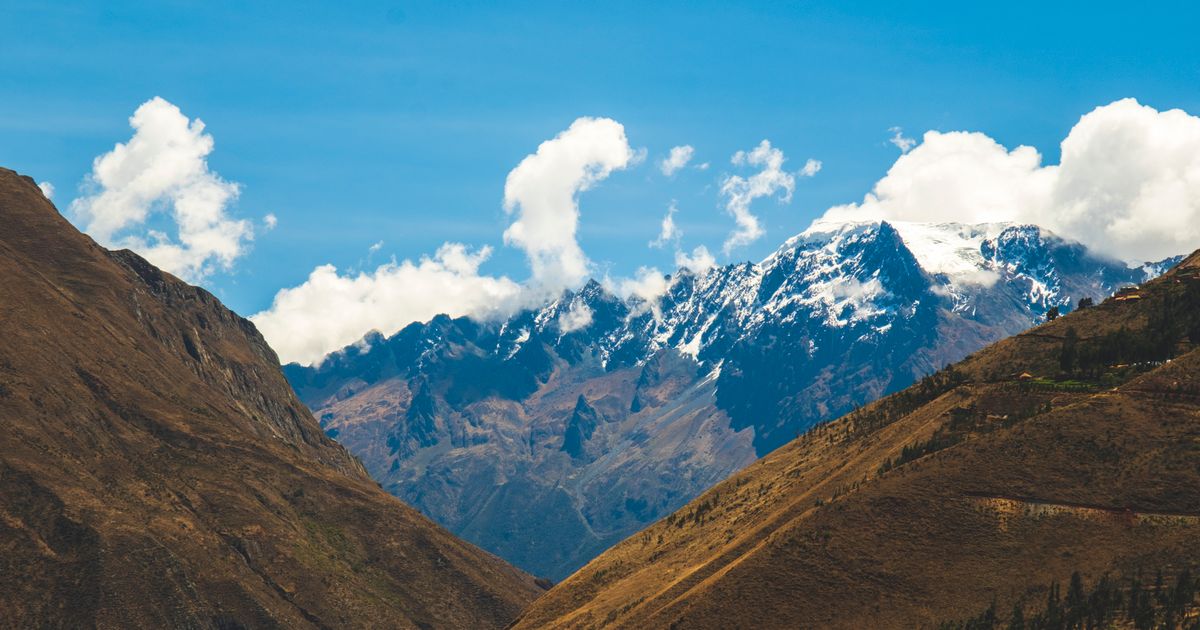
Altitude is the single biggest factor that catches Lima to Cusco travelers off guard. Lima sits at sea level. Cusco sits at 3,399 m (11,152 ft), according to geographic data on Wikipedia. The airport itself is at about 3,310 m. When you fly, you jump from the coast to over 11,000 feet in roughly 90 minutes, giving your body no time to adjust.
That matters because the CDC lists 8,000 feet (2,440 m) as the elevation above which altitude illness becomes a risk, and it specifically advises against ascending from a low elevation to above 9,000 feet in a single day. Cusco is well past both markers. You can read the full guidance on the CDC high-altitude travel page, which also recommends increasing your sleeping elevation by no more than 1,600 feet per day once you are high.
A few practical ways to plan around this:
- Take it easy on day one. Rest after you land, drink plenty of water, and skip alcohol and heavy exercise for the first day or two.
- Consider sleeping lower. The Sacred Valley sits below Cusco. Urubamba is at 2,871 m (9,419 ft) and Ollantaytambo at 2,792 m (9,160 ft), both gentler on the lungs than the city itself. Many experienced travelers head straight to the valley to acclimatize before returning to Cusco.
- Build in a buffer before any trek. If you are heading to high routes like Ausangate or Salkantay, give yourself at least two or three nights at altitude first.
For a deeper treatment of symptoms, remedies, and timing, see our dedicated guide on avoiding altitude sickness in Cusco. If you are weighing how long to stay before moving on, our breakdown of how many days to spend in Cusco and the Sacred Valley helps you sketch a realistic itinerary.
What to do with a Lima layover
Many international routes connect through Lima, and a layover is a chance rather than a chore. If you have a few hours or an overnight before your Cusco flight, a short stop also helps you recover from a long-haul arrival before taking on altitude.
Good options depending on your time:
- Miraflores is the upscale coastal district, about 25 minutes from the airport. Walk the clifftop parks, watch paragliders over the ocean, and find plenty of restaurants and hotels.
- Barranco is the bohemian neighborhood next door, known for street art, cafes, and the Bridge of Sighs.
- The historic center holds the Plaza Mayor, the Government Palace, and the San Francisco monastery with its catacombs.
- The Larco Museum is an easy highlight, with a famous collection of pre-Columbian art set in a garden villa.
If your layover is tight, do not stray far from the airport. If it stretches overnight, a night in Miraflores is a comfortable, low-stress way to break the journey.
Luggage and altitude logistics
A little preparation on the practical side saves headaches once you land.
Luggage. Domestic flights within Peru generally have lower baggage allowances than international flights, and the budget carriers in particular charge for checked bags and sometimes for larger carry-ons. Check your specific fare rules before you fly, and keep anything valuable or essential in your carry-on. If you are trekking, pack your boots and layers where you can reach them, and keep a full packing checklist handy so nothing essential ends up in a checked bag.
Medication and health prep. If you want pharmaceutical help with altitude, acetazolamide is a common prescription option. Talk to your doctor before you travel, since it needs to be started before you ascend. Carry it in your hand luggage. Coca tea, available everywhere in Cusco, is the traditional local remedy and worth trying on arrival.
Day-one essentials in your carry-on. Keep water, sunscreen, a hat, and a warm layer accessible. Cusco's mountain sun is strong and the temperature swings widely between day and night.
Transfers on arrival. Cusco's airport is close to the city center, so the ride to most hotels is short. If you plan to continue to the Sacred Valley the same day, arrange that transfer in advance so you are not negotiating a long drive while tired and adjusting to the altitude.
Choosing your route
For most travelers, the decision is simple: fly into Cusco to save a full day, then spend your energy on the mountains and ruins rather than the road. The bus earns its place only if the overland journey itself is part of what you want from the trip.
Whichever you choose, the smartest next step is to lock in an early-morning flight or a reliable overnight bus, then decide where you will spend your first night. If the altitude worries you, book that first night in the lower Sacred Valley and let your body adjust before you climb back up to Cusco. If you would rather have the logistics handled end to end, Discover Inca Planet can arrange your airport transfers, acclimatization stops, and onward tours so your first day in the Andes is about the view, not the paperwork.
Frequently asked questions
How long does it take to travel from Lima to Cusco?
A direct flight takes about 1 hour 15 minutes to 1 hour 30 minutes. The direct overland bus takes roughly 20 to 22 hours across about 1,104 km.
Which airlines fly from Lima to Cusco?
LATAM, Sky Airline, and JetSMART all operate the route. LATAM runs the most flights, around 148 per week, so it usually has the widest choice of departure times.
Should I spend a night in Lima before flying to Cusco?
A short Lima stop is optional but useful. It lets you rest after a long international flight, explore Miraflores or the historic center, and start your Cusco trip less tired.
Is the altitude in Cusco dangerous?
Cusco sits at 3,399 m, above the CDC 8,000 ft threshold where altitude illness becomes a risk. Most visitors are fine if they rest on arrival, drink water, and avoid alcohol for the first day or two.
Can I take the bus instead of flying to save money?
Yes. The direct Lima to Cusco bus is cheaper and offers Andean scenery, but it takes around 20 to 22 hours. Many travelers fly one way and consider the bus only if they enjoy long overland journeys.


