
Key takeaways
- The Ausangate trek circles Nevado Ausangate, which rises to 6,384 m (20,945 ft) according to PeakVisor, the highest peak in the Cusco region.
- The classic circuit runs about five days and crosses several passes above 5,000 m, making acclimatization essential before you start.
- Many itineraries add Rainbow Mountain as a side trip on the same route, so you see both in one trip.
- The dry season from May to September gives the most reliable trail conditions and clearest mountain views.
- Spend two to three nights in Cusco at 3,399 m before the trek to adjust to the altitude.
The Ausangate trek is a high-altitude loop around Nevado Ausangate, the tallest mountain in the Cusco region, and it rewards you with glacial lakes, snow peaks, and passes above 5,000 m. It runs for about five days through remote Andean terrain where shepherds and alpacas outnumber hikers, which makes it one of Peru's quietest major treks.
This guide walks through the circuit, the daily stages and high passes, how to pair the route with Rainbow Mountain, and what to know about weather, altitude, and preparation before you go.
What Is the Ausangate Circuit?
The Ausangate trek circles the base of Nevado Ausangate, which reaches 6,384 m (20,945 ft) and stands as the highest peak in the Cusco region (PeakVisor). The classic route is a full loop of roughly five days, starting and ending near the village of Tinki, southeast of Cusco.
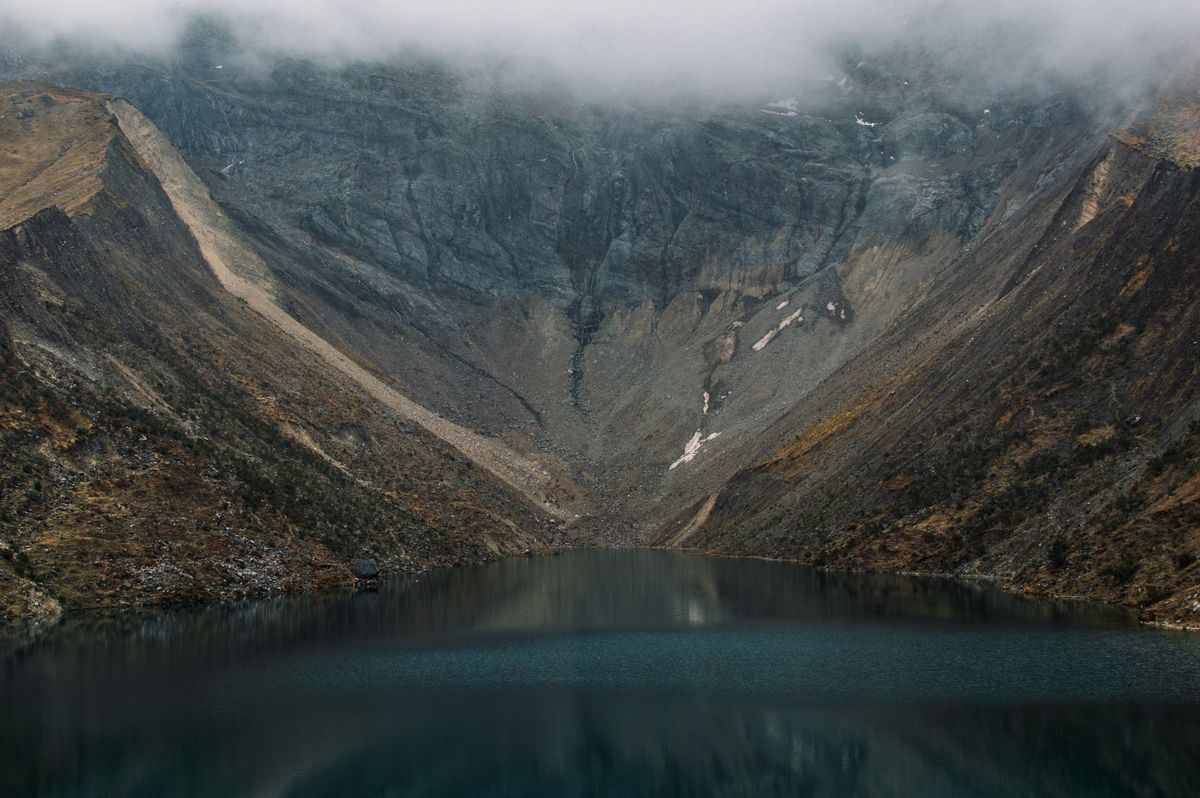
You walk through a landscape of grazing pasture, moraine, and ice-fed lakes. Herds of alpaca and llama drift across the valleys, and small Quechua communities raise livestock at altitudes most visitors never reach. The scenery shifts quickly here. One hour you follow a turquoise lake, the next you climb loose rock toward a windswept pass.
The trek sits far from any road for most of its length. There are no lodges or villages selling supplies along the way, so you carry everything or travel with a supported group. Guided operators such as Discover Inca Planet handle camps, pack animals, and cooking, which keeps your pack light and lets you focus on the walking.
Daily Stages and High Passes
The classic Ausangate loop breaks into roughly five walking days, each crossing or climbing toward a high pass. Most nights you camp between about 4,400 m and 4,800 m, which keeps the whole route firmly in thin-air territory.
A typical flow looks like this:
- Day 1: Transfer from Cusco to the trailhead near Tinki, then walk to a first camp near hot springs or an alpine lake.
- Day 2: Climb toward the first major pass, with wide views of the glaciers on Ausangate's flanks.
- Day 3: Cross the highest point of the route, a pass above 5,000 m, often the toughest day for breathing and pace.
- Day 4: Descend past a chain of colored lakes, some turquoise, some deep green, fed by glacial melt.
- Day 5: Close the loop back toward the trailhead and return to Cusco by road.
The passes are the heart of the trek. Each climb is slow and steady, and the thin air at over 5,000 m makes even gentle slopes feel steep. Guides set a measured rhythm for a reason. Rushing a pass at this height is the fastest way to trigger altitude sickness.
The reward at the top is worth the effort. From the high saddles you look across glaciers, red and ochre mountainsides, and valleys dotted with grazing herds. These are among the most dramatic viewpoints in the Peruvian Andes, and you often have them to yourself.
Can You Combine Ausangate With Rainbow Mountain?
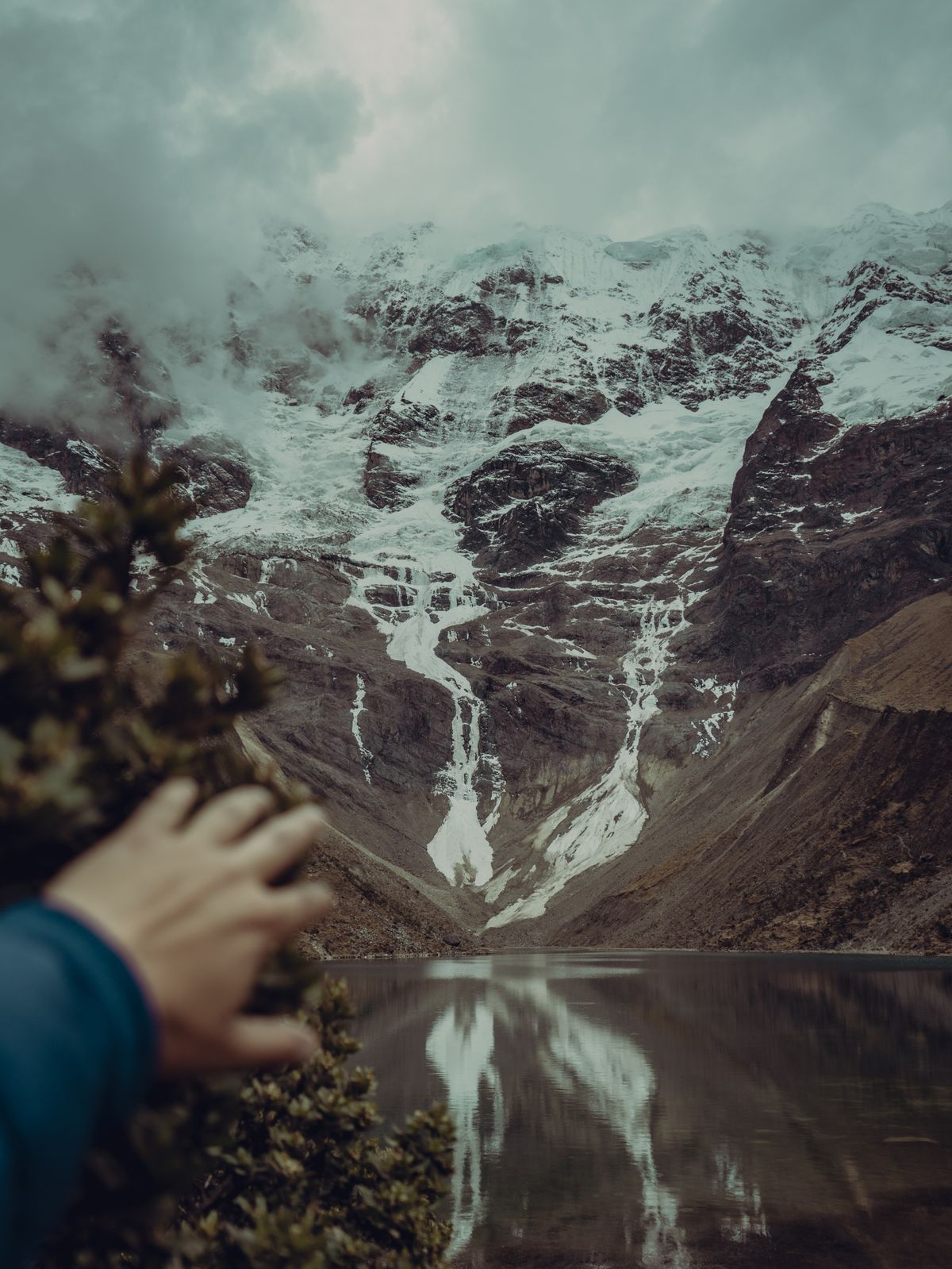
Yes, and many trekkers do. Rainbow Mountain, known locally as Vinicunca, sits on the western side of the Ausangate massif, so it falls naturally along or near the circuit. Some routes visit it as a side trip during the loop, while others finish there instead of returning to the original trailhead.
This pairing is one of the strongest reasons to choose Ausangate over a shorter day tour. Visitors who drive out for a quick Rainbow Mountain photo see one striped ridge and leave. On the full trek you earn that view after days of walking, and you reach it early, before the crowds of day-trippers arrive by bus.
If you are deciding how to reach the colored slopes, our guide on how to get to Rainbow Mountain from Cusco compares the day-tour and trek options in detail. For most hikers, folding Vinicunca into the Ausangate route turns a single landmark into part of a much longer and richer journey.
Weather, Altitude, and Preparation Tips
The single most important preparation step is acclimatization. Cusco sits at 3,399 m (11,152 ft), already high enough to affect most arrivals (Peru.travel). Spend two to three nights there before the trek so your body adjusts before you climb toward the passes.
The best window for walking is the dry season, roughly May through September. During these months the trails are firmer, the skies clearer, and the big mountain views more reliable. Nights are cold year-round at this altitude, often dropping below freezing, so warm layers and a good sleeping bag matter in every season.
Pack for sharp swings in temperature. Strong sun at midday can give way to snow or sleet within hours on a high pass. Bring sun protection, waterproof layers, a warm hat and gloves, and sturdy broken-in boots. Trekking poles help on the steep, loose descents past the lakes.
Listen to your body on the climbs. Headaches, nausea, and dizziness are signs to slow down, drink more water, and tell your guide. If you want to build fitness and altitude experience first, a shorter outing such as a Humantay Lake day trip is a good warm-up before committing to five days near Ausangate.
Why This Trek Stays Off the Tourist Trail
The Ausangate trek remains quiet for a simple reason: it demands altitude, time, and commitment that filter out casual visitors. There is no train, no famous ruin at the finish, and no permit lottery drawing a steady stream of hikers. What you get instead is solitude.
For long stretches you may see no other trekkers at all, only shepherds moving their herds between pastures. The route passes through living Andean communities rather than preserved archaeological sites, so the culture you meet is working and present, not curated for tourism.
This remoteness is also why a supported trek makes sense here. With no shops or shelters along the way, the logistics of food, camping, and safety at high altitude are real work. A local operator handles that groundwork so you can walk, rest, and take in the peaks.
If you are weighing Ausangate against Peru's more famous routes, it helps to see how the big treks compare on crowds, scenery, and difficulty. That comparison puts Ausangate's quiet, high-altitude character in useful context, since the better-known routes trade solitude for ruins and company on the trail.
The payoff for choosing the harder, lonelier path is a Peru that few travelers ever see: raw, high, and almost entirely your own.
Planning Your Ausangate Trek
Start by blocking out enough time in Cusco to acclimatize, then pick your season within the May to September window for the steadiest conditions. From there, decide whether you want the classic five-day loop or a route that finishes at Rainbow Mountain. Reach out to a Cusco-based operator like Discover Inca Planet to match the itinerary to your fitness and schedule, and you will be ready to take on one of the Andes' most rewarding high-altitude circuits.
Frequently asked questions
How high is the Ausangate trek?
The circuit crosses several passes above 5,000 m and sits beneath Nevado Ausangate at 6,384 m. Expect to sleep at camps between roughly 4,400 m and 4,800 m each night.
How many days does the Ausangate trek take?
The classic loop takes about five days, though shorter three-day versions and longer seven-day routes exist. Five days gives a comfortable pace with time for the lakes and passes.
Can you combine Ausangate with Rainbow Mountain?
Yes. Rainbow Mountain sits on the western side of the Ausangate massif, so many trekkers walk to it as a side trip or finish the loop there instead of returning to the start.
Do you need to be very fit for the Ausangate trek?
You need solid stamina and good acclimatization more than elite fitness. The altitude is the main challenge, so arrive early in Cusco and build in rest days before you begin.
Is the Ausangate trek crowded?
No. Unlike the Inca Trail, Ausangate sees few hikers. You can walk for hours seeing only shepherds and their alpaca herds, which is part of its appeal.


