
Key takeaways
- An Iquitos Amazon tour reaches the rainforest by river or air only, since Iquitos is the largest city on earth with no road connection.
- River cruises suit comfort-focused travelers covering long distances, while jungle lodges put you closer to trails, villages, and wildlife.
- High-water season runs December to May for canoe exploration; low-water season runs June to November for hiking and fishing.
- Pacaya-Samiria National Reserve protects 2,080,000 hectares of flooded forest, the richest wildlife zone near Iquitos.
- Pairing Iquitos with Cusco gives you both Amazon lowlands and Andean highlands on one Peru trip.
An Iquitos Amazon tour starts in a city you can only reach by plane or boat, then carries you deep into the largest tropical rainforest on earth. Iquitos sits on the Amazon River in northeastern Peru, and it serves as the main launch point for river cruises, jungle lodges, and wildlife expeditions into the surrounding forest and reserves.
This guide explains why Iquitos works so well as a base, how river cruises compare with jungle lodges, what wildlife and community experiences to expect, when to go, and how to combine the jungle with the Andean highlands around Cusco.
Why Iquitos Is a Gateway to the Amazon
Iquitos holds a strange distinction: it is the largest city in the world with no road connecting it to the rest of the country. You arrive by air or by river, and nothing else. That isolation is exactly what keeps the surrounding forest wild and makes the city a genuine frontier town rather than a polished resort hub. The metropolitan area is home to roughly half a million people, yet step onto the river and the jungle takes over within minutes.
The city grew rich during the rubber boom of the late 1800s, and you can still see grand tiled mansions near the waterfront. Today it functions as the service center for Amazon travel. Boats depart from the docks, operators arrange permits, and flights connect to Lima several times a day. For most travelers, an Iquitos Amazon tour means flying in, spending a night in town or heading straight to the water, and then settling into the rhythm of the river.
What sets this region apart is access to the Pacaya-Samiria National Reserve, Peru's largest protected area. It is the richest wildlife zone within reach of the city, and most multi-day trips aim their itineraries toward its waters.
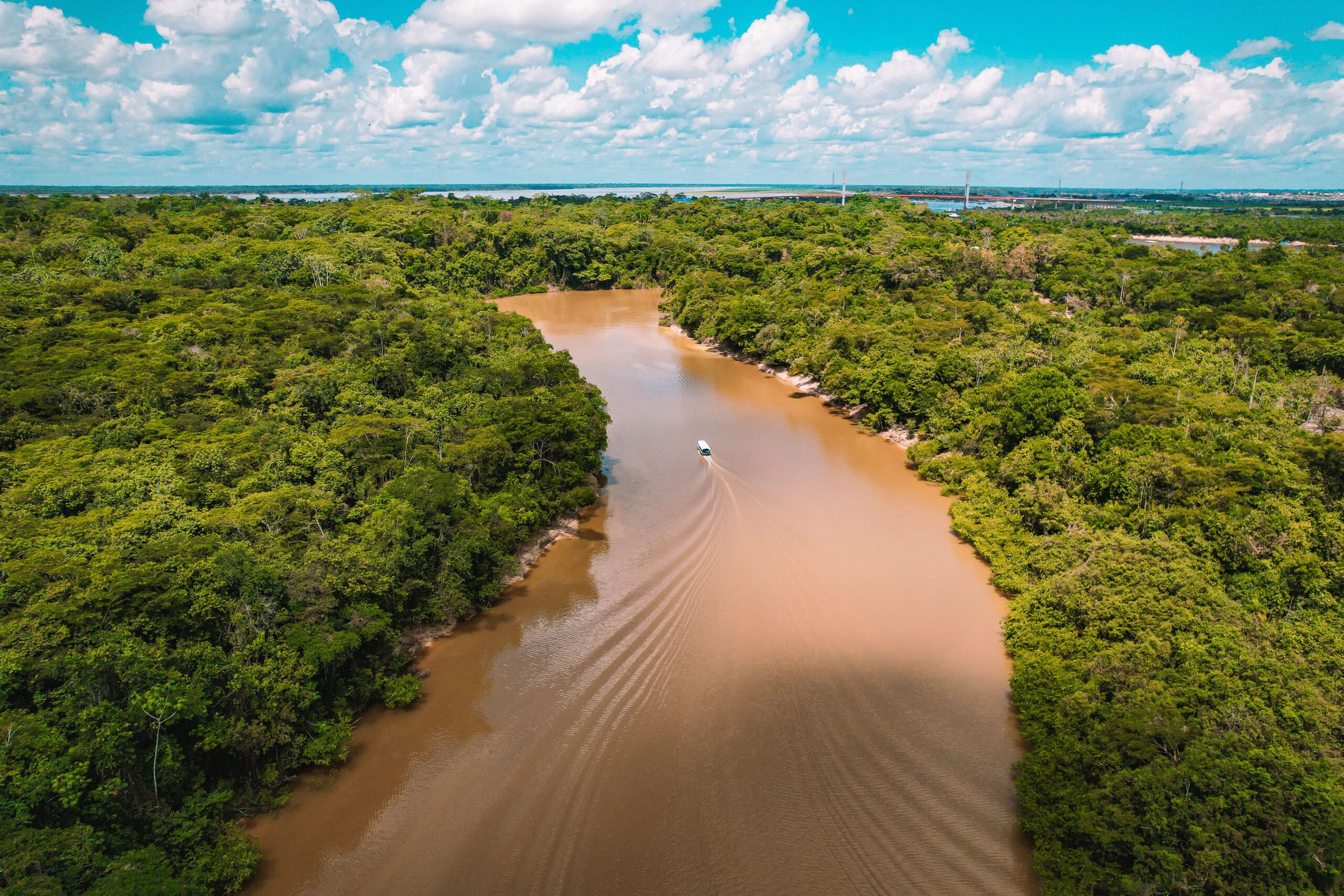
River Cruises vs Jungle Lodges
The first real decision is how you want to sleep and travel. Both options put you in the forest, but they shape the trip in different ways.
River Cruises
A river cruise is a floating hotel. You board a vessel in Iquitos, and the boat moves while you eat, sleep, and relax, covering long distances toward the deeper, less-disturbed sections of the reserve. Small skiffs launch each morning and evening for wildlife excursions, then return you to a private cabin and prepared meals.
Cruises suit travelers who want comfort, air conditioning, and the ability to reach remote water without hours of transfers. They tend to cost more, and the itinerary is fixed to the vessel's route.
Jungle Lodges
A jungle lodge keeps you in one area and sends you out on daily activities from a fixed base. Lodges range from rustic thatched cabins with cold-water bathrooms to more comfortable eco-lodges with screened rooms and dining halls. You travel out by boat, hike forest trails, paddle canoes through flooded channels, and return to the same bed each night.
Lodges usually cost less than cruises and place you closer to specific trails and nearby communities. The tradeoff is that you explore the forest around your lodge rather than covering wide stretches of river.
For many first-time visitors, a lodge of three to four nights strikes the right balance between cost, immersion, and wildlife access. If your priority is reaching the core of Pacaya-Samiria with minimal effort, a cruise earns its higher price. A Cusco-based operator like Discover Inca Planet can arrange either style as part of a wider Peru itinerary, so you do not have to book the jungle leg separately from your highland plans.
Wildlife and Community Experiences
The Amazon basin near Iquitos is one of the most biodiverse places on the planet, and the point of any tour is seeing that life up close. Early mornings and late afternoons are prime viewing windows, when animals feed and the heat eases.
Common sightings include:
- Pink river dolphins and gray dolphins surfacing beside the boat
- Several monkey species, from tiny tamarins to noisy howlers
- Macaws, toucans, parrots, and hoatzins in the canopy
- Sloths and iguanas draped in riverside trees
- Caimans spotted at night by torchlight
- Piranhas and countless fish species in the fishing channels
Your guide makes the difference. A sharp local guide reads the forest, hears distant calls, and knows where animals gather by season. The Pacaya-Samiria National Reserve protects 2,080,000 hectares of flooded forest and lakes, and its remote waters hold some of the densest wildlife populations in the region, according to Peru's national protected areas service, SERNANP.
Beyond wildlife, most itineraries include visits to riverside communities. These stops let you see daily life along the Amazon: fishing, farming, craft making, and traditional knowledge of forest plants. Choose operators that work with communities respectfully and share tourism income locally, so your visit supports the people who live there. If you want a deeper comparison of Peru's rainforest regions and their wildlife, our Manu National Park Amazon wildlife tour guide covers a protected area reachable from the southern highlands instead.
Getting There and Timing Your Iquitos Amazon Tour
Because no road reaches the city, nearly all travelers fly. Direct flights from Lima take about 1 hour and 55 minutes and cover roughly 1,014 kilometers, with several departures a day. A slower, adventurous alternative is the multi-day cargo and passenger riverboat from towns like Yurimaguas or Pucallpa, but most visitors save their time for the forest itself.
Timing shapes what you see and do. The Amazon has two broad seasons, and neither is bad.
High-Water Season (December to May)
Heavy rains swell the rivers, flooding the forest and raising water levels significantly. Canoes glide between tree trunks into areas that are dry land the rest of the year. This is a strong period for spotting dolphins and birds from the water, and the flooded forest feels otherworldly. Trails may be limited because the ground is underwater.
Low-Water Season (June to November)
Water levels drop, exposing river beaches and forest floor. This is the better window for jungle hikes, longer treks, and sport fishing, since trails open up and animals concentrate around shrinking water sources. Days are hot and humid year-round, so pack light, breathable clothing, insect protection, and a rain layer regardless of season. A dry bag and strong repellent matter more here than they do in the highlands.
Whatever month you choose, book a few days in advance during Peru's dry-season peak of June to August, when demand across the country is highest.
Combining the Jungle With Cusco Highlands
Many travelers treat the Amazon and the Andes as a single Peru trip, and the two regions complement each other well. Iquitos gives you steamy lowland rainforest and river life, while Cusco opens the door to Inca ruins, mountain scenery, and Machu Picchu.
The practical route is simple: fly between Lima and Iquitos for the jungle leg, then fly Lima to Cusco, or fly Iquitos to Cusco via Lima, for the highland leg. Because Cusco sits at around 3,400 meters, give yourself time to adjust after the flat, low-altitude jungle. Our guide on how many days to spend in Cusco and the Sacred Valley helps you shape a realistic schedule.
A common structure looks like this:
- Three to four nights in the Amazon from Iquitos
- A night back in Lima to reset
- Four to six days in Cusco, the Sacred Valley, and Machu Picchu
Sequencing the jungle first and the mountains second often works best, since you acclimatize gradually rather than dropping from high altitude straight into humid heat. Planning both legs with one operator also keeps your flights, transfers, and lodges aligned instead of leaving gaps between separate bookings.
Start Planning Your Trip
Decide first how you want to experience the forest: a comfortable river cruise toward the heart of Pacaya-Samiria, or a hands-on jungle lodge closer to trails and villages. Pick your season around that choice, block three to four nights for the Amazon, and then slot in your Cusco days. Share those preferences with an operator who can book the jungle and highland legs together, and you will spend your time watching for dolphins at dawn instead of untangling logistics.
Frequently asked questions
How do you get to Iquitos?
Iquitos has no road connection, so you arrive by plane or riverboat. Most travelers fly from Lima, a trip of about 1 hour and 55 minutes covering roughly 1,014 kilometers.
What is the best time for an Iquitos Amazon tour?
December to May is high-water season, ideal for canoe trips through flooded forest. June to November is low-water season, better for jungle hikes and fishing. Both offer strong wildlife viewing.
Should I choose a river cruise or a jungle lodge?
Choose a river cruise for comfort and covering large distances toward Pacaya-Samiria. Choose a jungle lodge for lower cost, closer trail access, and more time near local communities.
Can I combine the Amazon with Machu Picchu and Cusco?
Yes. Many travelers fly Lima to Iquitos for the jungle, then fly to Cusco for the Sacred Valley and Machu Picchu. Allow a few days in Cusco to acclimatize to the altitude.
What wildlife can you see on an Iquitos Amazon tour?
Expect pink river dolphins, several monkey species, macaws, toucans, sloths, caimans, and countless insects and fish. Sightings depend on season, location, and your guide's knowledge.


